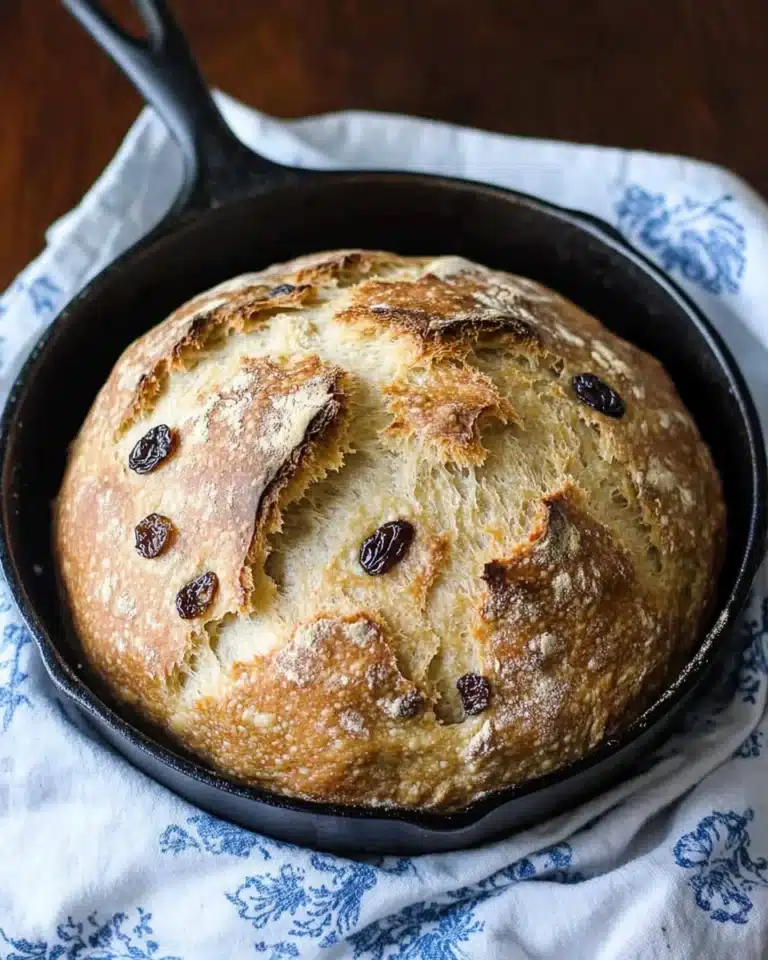
If you’ve ever dreamed of filling your kitchen with the warm, tangy aroma of freshly baked bread, this Homemade Sourdough Bread Recipe is your ticket to that bliss. The magic happens through simple ingredients transformed by time and care—a process that gives you a crusty, chewy loaf full of flavor and character. Whether you’re a baking beginner or a seasoned pro, this step-by-step guide will have you enjoying bakery-quality sourdough right at home. Trust me, the reward is so worth every minute spent!
Ingredients You’ll Need
The beauty of this Homemade Sourdough Bread Recipe lies in its simplicity. Each ingredient plays a vital role, lending the bread its tangy flavor, beautiful texture, and gorgeous crust. Keep these essentials on hand and get ready to create something truly special.
- 15g Active Sourdough Starter: The living heart of your bread that provides flavor and natural leavening.
- 120g Lukewarm Water (for pre-ferment): Helps activate the starter and blend the flour for a gentle fermentation.
- 240g Lukewarm Water (for dough): Hydrates the dough, crucial for texture and crumb.
- 105g Whole Wheat or All-Purpose Flour: Adds depth and subtle nutty flavors to the pre-ferment.
- 375g All-Purpose or Bread Flour: Gives structure and strength to the loaf, creating that perfect chew.
- 12g Fine Sea Salt: Enhances the bread’s flavor and controls fermentation for balance.
How to Make Homemade Sourdough Bread Recipe
Step 1: Preparing the Pre-Ferment
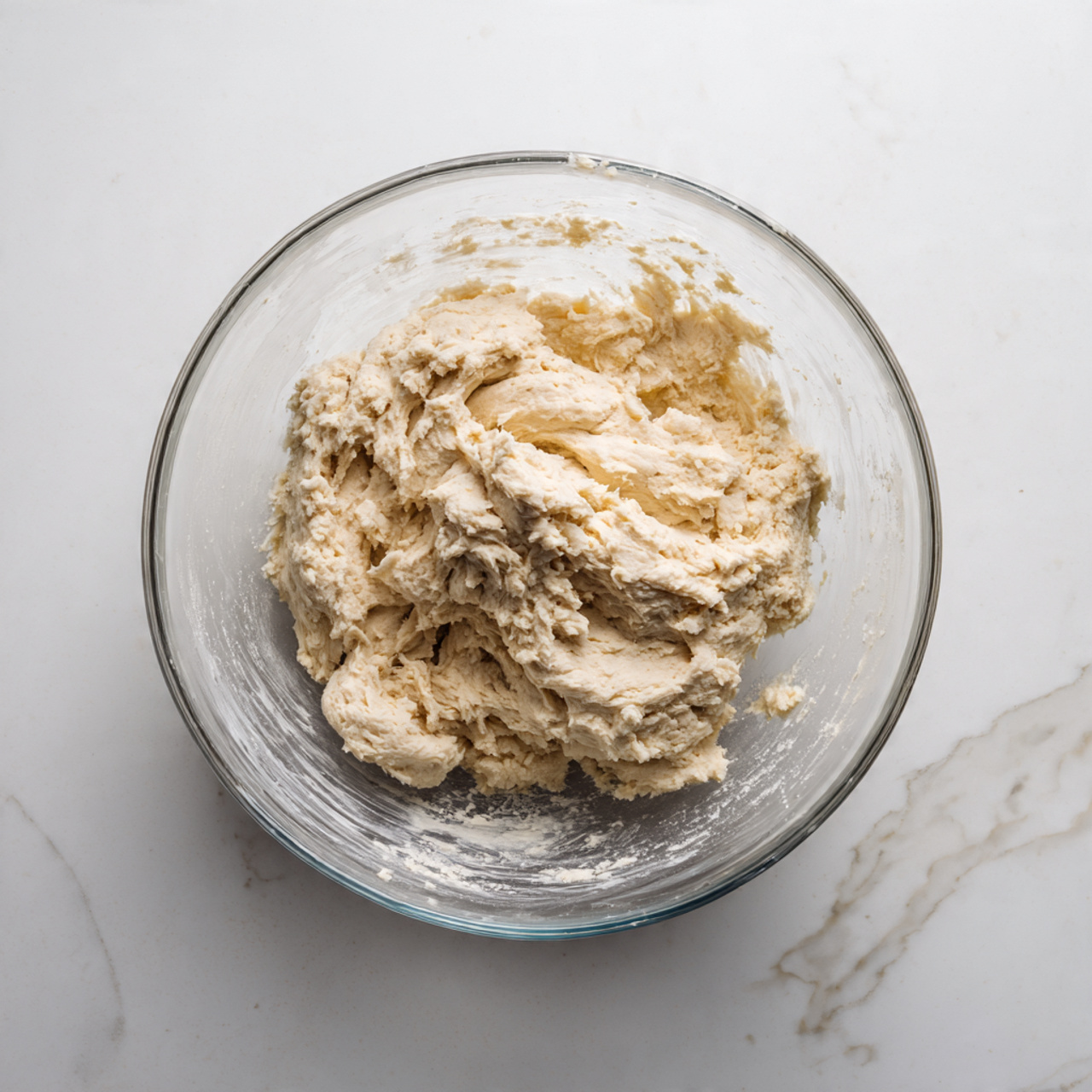
Begin by mixing your active sourdough starter with the lukewarm water set aside for the pre-ferment. Stir in the whole wheat or all-purpose flour until you get a shaggy dough. Cover this bowl and let it rest at room temperature for about 12 hours. This slow fermentation builds the foundation of your bread’s signature tangy flavor and airy crumb.
Step 2: Mixing the Dough and Autolyse
After the pre-ferment is ready, add the remaining lukewarm water and mix everything by hand until completely combined. Next, incorporate the all-purpose or bread flour, mixing until another shaggy dough forms. Cover and let the dough rest for an hour—this autolyse phase allows the flour to fully hydrate, improving the dough’s extensibility and final texture.
Step 3: Adding Salt and Folding
Uncover your dough, sprinkle salt evenly over the surface, and then pinch and fold it in with wet hands to avoid sticking. This step is crucial for distributing salt uniformly throughout the dough and strengthening the gluten network for better structure.
Step 4: Stretching and Folding the Dough
Using wet hands, perform a series of gentle stretch-and-fold motions by lifting the dough from underneath and folding it over the top. Rotate the bowl and repeat 15 to 20 times. Cover and rest the dough for 30 minutes. Repeat this stretch-and-fold process every 30 minutes, for a total of 6 times. This gradual gluten development creates a soft and elastic dough that traps air beautifully during baking.
Step 5: Shaping and First Rise
Turn the dough onto a lightly floured surface to handle it gently without deflating the air bubbles. Shape into a loose circular form by folding the edges toward the center and flipping it over with a bench scraper. Let it rest seam side down for 30 minutes to relax the dough before final proofing.
Step 6: Preparing the Proofing Basket
Generously flour your proofing basket with rice or all-purpose flour to prevent sticking. If you don’t have a proofing basket, use a well-floured tea towel placed inside a colander or bowl as a clever substitute for shaping and proofing your dough.
Step 7: Final Shaping and Proofing
Dust your dough’s surface with flour and perform a series of folds pulling the dough from the bottom to the center, creating surface tension for a round loaf. Place the dough seam-side up into your floured basket, cover with a tea towel, and let it rise at room temperature for 2 to 3 hours. Alternatively, for a longer, more developed flavor, rise the dough for 30 to 40 minutes at room temperature then refrigerate for 12 to 24 hours before baking.
Step 8: Baking the Homemade Sourdough Bread Recipe
Preheat your oven to 475°F with a rack in the center position. Place a piece of parchment paper on a flat surface and gently transfer the dough onto it, seam side down. Using a lame or sharp knife, score the top to create vents that help the bread expand during baking. Transfer the dough with the parchment to a preheated Dutch oven, cover, and bake for 25 minutes. Remove the lid and bake uncovered for another 25 to 30 minutes until the crust is deeply golden and crackly. Let your loaf cool completely on a wire rack to finish the transformation into the perfect homemade sourdough bread.
How to Serve Homemade Sourdough Bread Recipe
Garnishes
This bread is a star all on its own, but fresh herbs like rosemary or thyme sprinkled before the final proof can add a lovely aromatic touch. A brush of melted butter or olive oil on the crust right after baking gives it an enticing sheen and extra flavor.
Side Dishes
Pair your homemade sourdough with creamy cheeses, vibrant spreads like herb butter or roasted garlic hummus, or a bowl of steaming soup. The tangy notes and chewy texture complement everything from simple salads to hearty stews beautifully.
Creative Ways to Present
Turn your loaf into rustic bruschetta by topping toasted slices with tomatoes and basil, or create a gourmet sandwich with layers of ripe avocado and smoked meat. For a cozy breakfast, serve thick toasted slices with local honey and jam, embracing every delicious crumb.
Make Ahead and Storage
Storing Leftovers
Keep your sourdough fresh by wrapping it in a clean cotton towel or placing it in a paper bag at room temperature. This helps maintain the crust’s crispness while the crumb stays soft. Avoid plastic bags which can trap moisture and soften the crust.
Freezing
You can freeze your homemade sourdough bread by wrapping it tightly in plastic wrap and then placing it in a freezer bag. Slice before freezing for easier portioning, and it will keep well for up to three months without losing quality.
Reheating
Reheat slices in a toaster or warm the whole loaf in a 350°F oven for 10 to 15 minutes. This revives the crust’s crispiness and refreshes those beautiful sourdough aromas, almost like it just came out of the oven again.
FAQs
What is a sourdough starter and why do I need it?
A sourdough starter is a natural culture of wild yeast and lactobacilli bacteria that ferments the dough. It’s essential because it leavens the bread naturally while giving it the tangy flavor that defines sourdough.
Can I use only all-purpose flour for this recipe?
Yes, you can use all-purpose flour for both the pre-ferment and the dough. However, incorporating some whole wheat flour adds complexity in flavor and nutrition, giving your bread an extra depth that’s delightful.
How long does the entire Homemade Sourdough Bread Recipe take from start to finish?
The process spans about 18 to 24 hours due to fermentation and proofing times, but much of this is hands-off resting. The actual active work time is surprisingly manageable once you get going.
Why does the recipe call for multiple stretch and fold sessions?
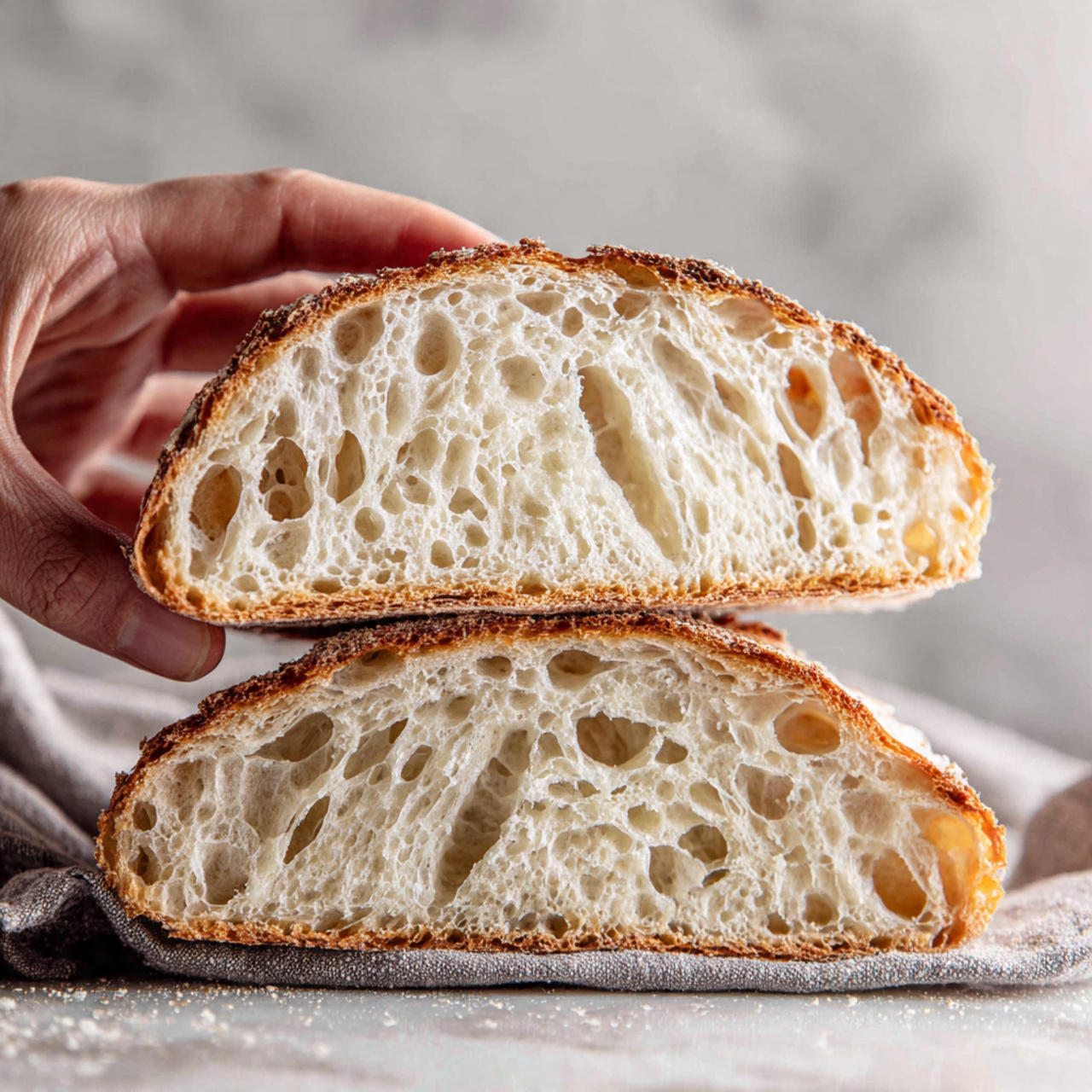
Stretching and folding strengthens the dough’s gluten network, which traps air and helps the bread rise properly while producing that signature open crumb and chewy texture you want in sourdough.
Can I bake sourdough bread without a Dutch oven?
Absolutely! You can bake on a preheated baking stone or sheet and create steam by placing a pan of water in the oven. The steam helps develop the crust, though a Dutch oven makes this easier and gives consistent results.
Final Thoughts
Baking this Homemade Sourdough Bread Recipe is a truly rewarding experience that fills your home with mouthwatering aromas and your heart with pride. It’s a journey of patience and love that transforms simple ingredients into a loaf bursting with character. So grab your starter and flour, and dive into the delightful world of sourdough—you absolutely won’t regret it!
PrintHomemade Sourdough Bread Recipe
This classic sourdough bread recipe guides you through creating bakery-quality sourdough loaves at home using a natural starter and simple ingredients. The process involves making a pre-ferment, multiple folds to develop gluten, proofing, and baking in a Dutch oven to achieve a crusty, flavorful loaf with a chewy interior.
- Prep Time: 15 minutes (plus 12 hours pre-ferment and 3 hours bulk fermentation)
- Cook Time: 50 to 55 minutes
- Total Time: Approximately 16 to 17 hours including resting and proofing times
- Yield: 1 loaf (about 900g to 1000g bread)
- Category: Bread
- Method: Baking
- Cuisine: American / Artisan
- Diet: Vegetarian
Ingredients
Pre-ferment
- 15g Active Sourdough Starter
- 120g lukewarm water
- 105g whole wheat or all-purpose flour
Main Dough
- 240g lukewarm water
- 375g all-purpose or bread flour, plus extra for kneading
- 12g fine sea salt
Instructions
- Make the pre-ferment: In a large glass bowl, mix the active sourdough starter with 120g lukewarm water. Stir in 105g whole wheat or all-purpose flour until a shaggy dough forms, about 1 to 2 minutes. Cover with plastic wrap and let sit at room temperature for approximately 12 hours to ferment and develop flavor.
- Mix the main dough: After the pre-ferment has rested, add 240g lukewarm water to the bowl and combine with your hands until fully mixed. Add the 375g all-purpose or bread flour and mix by hand until a shaggy dough forms. Cover with plastic wrap and let it rest for 1 hour (autolyse) to hydrate the flour fully.
- Add the salt and fold: Uncover the dough and sprinkle the 12g fine sea salt evenly over the surface. With wet hands, pinch and fold the dough repeatedly until the salt is fully incorporated.
- Perform stretch and folds: Using wet hands, pull the dough from underneath and fold it over the top, pressing down gently to avoid overstretching. Rotate the bowl and repeat this motion 15 to 20 times. Cover with plastic wrap and rest for 30 minutes. Repeat this stretch and fold process every 30 minutes for a total of 6 times over 3 hours. The dough will begin to rise and strengthen during this period.
- Bulk fermentation rest: After the last fold, cover the dough and let it rest another 30 to 45 minutes to allow further fermentation.
- Shape the dough: Gently turn the dough out onto a lightly floured surface to preserve air bubbles. If making multiple loaves, divide the dough evenly by weight. Shape the dough by pulling the corners into the center to form a loose circle. Using a bench scraper, flip the dough over so the seam is down and let it rest for 30 minutes.
- Prepare the proofing basket: Generously dust a proofing basket with rice flour or all-purpose flour. If unavailable, use a floured tea towel placed inside a colander or medium bowl to create a similar environment.
- Final shaping: Dust the top of the loaf with flour and flip it over. Gently stretch and fold the dough sides toward the center multiple times, then cup and rotate the dough on the counter to create a tight, round loaf. Place the shaped dough seam-side up into the floured proofing basket. Sprinkle additional flour on top and cover with a tea towel.
- Proof the dough: Let the dough rise at room temperature for 2 to 3 hours. Alternatively, for longer proofing, allow it to rise at room temperature for 30 to 40 minutes, then refrigerate for 12 to 24 hours.
- Preheat the oven: Heat the oven to 475°F (245°C) with a rack in the center. Prepare a 5-quart Dutch oven by preheating it inside the oven if desired.
- Bake the bread: Place parchment paper on a flat surface. Carefully invert the dough from the proofing basket onto the parchment, seam side down. Using a lame, sharp knife, or razor, score a vent on top of the dough. Transfer the dough along with the parchment paper into the Dutch oven. Cover and bake for 25 minutes. Remove the lid and bake an additional 25 to 30 minutes uncovered until the crust is deeply browned and crusty.
- Cool: Remove the bread from the oven and let it cool completely on a wire rack for at least 30 minutes before slicing to allow the crumb to set properly.
Notes
- To make multiple loaves, multiply each ingredient by the number of loaves desired. For example, for 2 loaves use: 30g active sourdough starter, 240g lukewarm water (pre-ferment), 480g lukewarm water (main dough), 210g whole wheat or all-purpose flour, 750g all-purpose or bread flour, 24g fine sea salt.
- Room temperature proofing times can vary depending on ambient temperature; cooler environments require longer proofing.
- Using a Dutch oven creates steam which is essential for a crispy crust. If unavailable, use a baking stone and add steam to the oven manually.
- Retarding the dough in the refrigerator enhances sour flavor complexity and makes handling easier.
- Always use wet hands for folding to prevent dough from sticking.