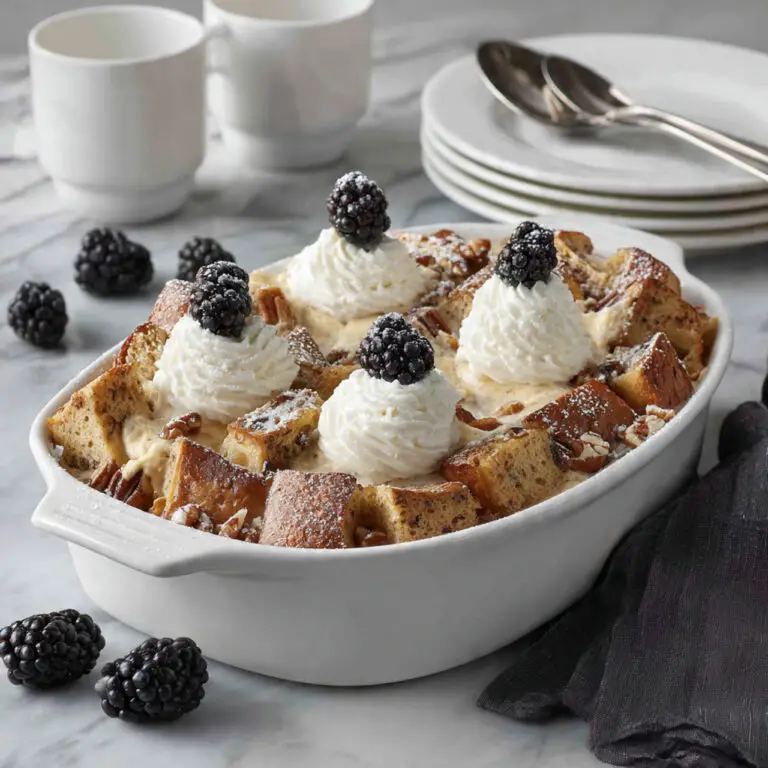
If you are craving a breakfast that feels both special and comforting, this German Pancakes Recipe is the answer. Imagine a golden, puffed pancake with crispy edges and a soft, tender center that practically floats on your plate. The recipe is wonderfully simple yet delivers impressive results with its delicate balance of eggs, flour, and milk, all baked to perfection with butter. Whether you’re making brunch for friends or treating yourself to a delightful morning, German pancakes offer a delicious combination of airy texture and rich flavor that always impresses.
Ingredients You’ll Need

These ingredients are everyday staples but work harmoniously to create a magically fluffy pancake with a hint of sweetness and a beautiful golden hue. Each component plays a crucial role, from the eggs providing lift to the butter adding richness.
- 3 large eggs (at room temperature): Eggs add structure and ensure the pancake puffs up beautifully in the oven.
- ½ cup all-purpose flour: The foundation of the batter that brings tenderness without heaviness.
- ½ cup milk (at room temperature): Milk keeps the batter smooth and moist, helping the pancake bake evenly.
- 1 tablespoon granulated sugar: Adds the perfect touch of sweetness without overpowering the flavor.
- ½ teaspoon vanilla extract: Gives a lovely subtle warmth and aroma to enhance the overall taste.
- ¼ cup butter: Melts into the pan and lends a deliciously rich, crispy edge to the pancake.
How to Make German Pancakes Recipe
Step 1: Preheat Your Oven and Prepare the Pan
Set your oven to 425 degrees Fahrenheit and move the oven rack to the lowest position, ensuring your pancake has plenty of room to rise and crisp up from below. This high temperature is key to achieving that iconic puffed and golden exterior.
Step 2: Blend Your Batter
Combine the eggs, flour, milk, sugar, and vanilla extract in a blender or food processor for a smooth, lump-free batter. If you prefer, whisk everything together by hand in a large bowl until the mixture is silky and well combined. This mixture sets the stage for a light and airy pancake.
Step 3: Melt Butter in Your Skillet
Place the butter in a 10-inch oven-safe skillet, such as a cast iron pan, and put it into the hot oven to melt the butter thoroughly. Watch it closely as it melts to avoid burning. The butter not only flavors the pancake but also creates those magical crispy edges.
Step 4: Pour Batter and Bake
Once the butter is melted, carefully remove your skillet and pour in the batter evenly. Slide it back into the oven right away and bake for 15 to 20 minutes. During this time, the pancake will puff up dramatically and develop a gorgeous golden brown color that beckons you to dig in.
Step 5: Serving Time!
Take the pancake out of the oven when it’s puffed and set, then slice it into wedges. Serve immediately for the best texture and flavor experience.
How to Serve German Pancakes Recipe

Garnishes
One of the best parts about German pancakes is how customizable they are with toppings. A simple dusting of powdered sugar brightens up the flavors, while a squeeze of fresh lemon juice adds just the right amount of tang. Fresh berries, maple syrup, or a dollop of whipped cream can turn this treat into an indulgent delight. Don’t be afraid to experiment and find your perfect combination.
Side Dishes
For a complete breakfast, pair your German pancake with crispy bacon or sausage, which adds a savory element that complements the light sweetness. A fresh fruit salad on the side can also bring freshness and color to your plate, balancing the richness of the pancake.
Creative Ways to Present
Consider rolling slices of the German pancake around a smear of cream cheese and berries for a beautiful finger food presentation. Alternatively, try topping sections with nut butters and sliced bananas for a playful twist. Serving with an assortment of small bowls filled with toppings allows everyone to customize their own pancake experience, making brunch interactive and fun.
Make Ahead and Storage
Storing Leftovers
Leftover German pancakes keep well when stored in an airtight container in the refrigerator for up to 2 days. Just slice the pancake before storing to make reheating easier and maintain its texture better.
Freezing
If you want to save them for longer, wrap individual slices tightly in plastic wrap and place them in a freezer bag. They freeze beautifully for up to one month, making it convenient to enjoy this recipe anytime you crave it.
Reheating
To warm up leftovers, reheat slices in a skillet over medium heat to restore some crispiness on the edges, or pop them in a toaster oven. Avoid microwaving if possible, as it tends to soften the delightful crisp crust.
FAQs
Can I use milk alternatives in this German Pancakes Recipe?
Absolutely! You can substitute cow’s milk with almond, oat, or soy milk. Just make sure the milk is at room temperature to help the pancake rise properly.
What makes German pancakes different from regular pancakes?
German pancakes are baked in the oven, which makes them puff up dramatically and gives them a unique, custardy texture with crispy edges, unlike traditional stovetop pancakes.
Why does the pancake puff up in the oven?
The high egg content combined with the hot oven causes steam to form inside the batter, which puffs it up beautifully during baking.
Can I make this recipe gluten-free?
Yes, try swapping the all-purpose flour for a gluten-free flour blend. Ensure that the blend you use behaves similarly to regular flour for best results.
Is it important to use a cast iron skillet?
While a cast iron skillet is recommended for even heat and excellent browning, any oven-safe 10-inch skillet will work fine for baking your German pancake.
Final Thoughts
There’s something truly magical about the simplicity and elegance of this German Pancakes Recipe. It invites you to slow down, savor each bite, and enjoy a breakfast that feels lovingly homemade with minimal fuss. Whether you serve it for a special occasion or a relaxing weekend treat, this dish never fails to impress. Do give it a try—you might just find your new breakfast favorite!
PrintGerman Pancakes Recipe

This German Pancakes recipe delivers a fluffy, golden, and slightly sweet pancake baked to perfection in a cast iron skillet. Best served fresh from the oven with your favorite toppings, these pancakes are quick to prepare and ideal for a comforting breakfast or brunch.
- Prep Time: 5 minutes
- Cook Time: 15-20 minutes
- Total Time: 20-25 minutes
- Yield: 4 servings
- Category: Breakfast
- Method: Baking
- Cuisine: German
Ingredients
Main Ingredients
- 3 large eggs (at room temperature)
- ½ cup all-purpose flour
- ½ cup milk (at room temperature)
- 1 tablespoon granulated sugar
- ½ teaspoon vanilla extract
- ¼ cup butter
Toppings (optional)
- Your choice of syrup, fresh fruit, powdered sugar, or whipped cream
Instructions
- Preheat the oven: Heat your oven to 425°F and lower the oven racks to the lowest position to accommodate the skillet and ensure even baking.
- Prepare the batter: In a blender or food processor, combine eggs, flour, milk, sugar, and vanilla extract. Blend until the mixture is smooth and well combined. Alternatively, whisk these ingredients by hand in a large bowl until smooth.
- Melt the butter: Place the butter in an oven-safe 10-inch skillet, preferably cast iron, and put the skillet in the oven. Monitor closely to prevent the butter from burning as it melts.
- Pour the batter: Once the butter has melted, carefully remove the skillet from the oven. Pour the batter into the hot skillet, ensuring it spreads evenly.
- Bake the pancake: Return the skillet to the oven and bake for 15-20 minutes until the pancake puffs up and turns a golden brown color.
- Serve: Take the pancake out of the oven, cut it into wedges, and serve immediately with your favorite toppings such as syrup, fresh fruit, powdered sugar, or whipped cream.
Notes
- Use room temperature eggs and milk to ensure a smooth batter and better rise while baking.
- A cast iron skillet works best for even heat distribution and helps give the pancake a crispy edge.
- Keep a close watch on the butter while melting to avoid browning or burning it.
- The pancake will deflate slightly after removing it from the oven but remains delicious and fluffy.
- Feel free to customize with toppings like lemon juice and powdered sugar for a traditional German touch.