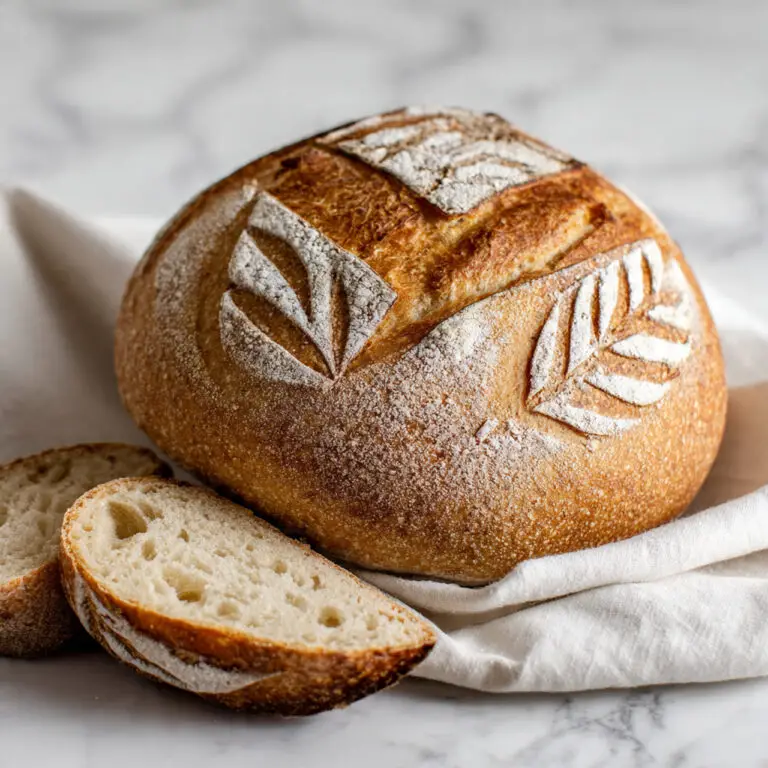
If you’ve ever dreamed about pulling a warm, fluffy loaf of bread fresh from your oven, then this Classic Homemade Sandwich Bread Recipe is exactly what you need. It’s soft, slightly sweet, and has that perfect tender crumb that makes every sandwich taste like a little celebration. This recipe brings together simple, everyday ingredients in a way that feels both nostalgic and comfortingly fresh, making it a must-try for anyone who loves the magic of homemade bread. Whether you’re a seasoned baker or trying your hand at bread for the first time, this Classic Homemade Sandwich Bread Recipe will quickly become a beloved staple in your kitchen.
Ingredients You’ll Need

These ingredients may be simple, but each one is essential to achieving the light texture, tender crumb, and beautiful golden crust that define this bread. Every element—from the yeast’s fermentation magic to the butter’s rich softness—works together to make a loaf that’s irresistibly good.
- Warm water (1 cup/240ml): Activates the yeast and helps create a soft dough.
- Warm whole milk (1/4 cup/60ml): Adds richness and helps create a tender crumb.
- Platinum Yeast from Red Star (2 1/4 teaspoons): This instant yeast delivers a reliable rise and a lovely flavor.
- Granulated sugar (2 tablespoons): Feeds the yeast and gives a subtle sweetness to the bread.
- Unsalted butter, softened (4 tablespoons/56g): Brings richness and softness to the dough.
- Salt (1 1/2 teaspoons): Enhances flavor and balances the sweetness.
- All-purpose or bread flour (3 1/3 cups/420–430g): Forms the structure; bread flour adds extra chewiness, but all-purpose works beautifully too.
How to Make Classic Homemade Sandwich Bread Recipe
Step 1: Activate the Yeast and Combine Wet Ingredients
Start by whisking your warm water, warm milk, yeast, and sugar in your stand mixer bowl fitted with a dough hook. The water and milk should feel comfortably warm—about 110°F (43°C)—to wake up that yeast without overheating it. Let this mixture sit covered for about 5 minutes so the yeast can do its magic and get frothy and bubbly; this is the first sign that your bread is off to a great start.
Step 2: Mix in Butter, Salt, and Flour Gradually
Next, add the softened butter, salt, and 1 cup of flour to your lively yeast mixture, beating on low for just 30 seconds. Scrape down the bowl to gather everything, then add another cup of flour and beat on medium until it looks mostly combined, even if you still see chunks of butter. Finish by adding the remaining flour and continue mixing until the dough pulls away from the bowl sides, about 2 minutes. No stand mixer? No problem—grab your strongest arm and a sturdy wooden spoon to mix and knead by hand.
Step 3: Knead Until Smooth and Elastic
Keep beating in the mixer for 5 to 8 minutes, or knead on a lightly floured surface by hand for the same amount of time. This step develops the gluten, giving your bread that perfect chewy texture. If the dough feels sticky, resist the urge to dump in a ton of flour; just sprinkle a teaspoon at a time until it’s soft and slightly tacky. To test readiness, gently stretch a small piece into a thin “windowpane”—if it stretches without tearing and lets light through, your dough is beautifully kneaded and ready to rise.
Step 4: First Rise in a Greased Bowl
Place your dough in a large greased bowl, turning once to coat all sides with a thin layer of oil. Cover the bowl with plastic wrap or a towel and set it somewhere warm to rise. Expect it to double in size over 1 to 2 hours—that joyful puffiness is pure bread-baking satisfaction.
Step 5: Shape the Dough into a Loaf
Once risen, punch down the dough gently to release excess air, then turn it onto a lightly floured surface. Flour your hands and a rolling pin, then roll out the dough into a roughly 8×15 inch rectangle. Don’t worry about perfect edges; rustic shapes add charm. Roll it tightly into an 8-inch log and place it snugly in your greased 9×5-inch loaf pan, preparing for the second rise.
Step 6: Second Rise Until Puffy
Cover your shaped loaf with foil, plastic wrap, or a kitchen towel and let it rise until the dough peaks about an inch over the pan’s rim, roughly 1 hour. This rise sets the stage for a wonderful crumb and height in your final loaf.
Step 7: Bake Your Bread to Golden Perfection
Position your oven rack lower and preheat to 350°F (177°C). Bake for 32 to 36 minutes, tenting with foil halfway through if the top is browning too fast. When you tap the bread, it should sound hollow, and an instant-read thermometer should register 195–200°F (90–93°C) in the center. If all looks good, pull that magnificent loaf out and let it cool in the pan briefly before transferring to a rack for slicing.
How to Serve Classic Homemade Sandwich Bread Recipe

Garnishes
This bread’s soft crumb and golden crust are beautiful on their own, but you can dress it up with a light brush of melted butter right after baking for a shiny, flavorful finish. Alternatively, sprinkle a little sea salt or sesame seeds on top before the second rise for added texture and an inviting look.
Side Dishes
This Classic Homemade Sandwich Bread Recipe pairs wonderfully with everything from hearty soups to crisp salads. Imagine dipping slices into creamy tomato bisque or stacking them high with fresh veggies alongside a bowl of your favorite chili. The bread’s mild flavor and soft texture complement any side dish without overpowering delicate tastes.
Creative Ways to Present
Transform this bread into a showstopper by slicing thick and toasting it for gourmet grilled cheese sandwiches, or cut into neat cubes for homemade croutons that brighten up any salad or soup. You can also cube and layer it with custard and fruit for a luscious bread pudding. The possibilities are as unlimited as your creativity!
Make Ahead and Storage
Storing Leftovers
Wrap the leftover bread tightly and store it at room temperature for up to 6 days, keeping it soft and fresh. If your kitchen is warm, the refrigerator extends freshness up to 10 days, but always bring slices back to room temperature or lightly toast before enjoying for best texture.
Freezing
This recipe freezes beautifully at two stages: before baking and after the loaf has cooled. To freeze before baking, prepare through shaping, then cover and freeze for up to 3 months. When ready, thaw and let rise before baking as usual. For baked bread, slice it first if you like and freeze in an airtight bag for up to 3 months. Thaw in the fridge or on the counter and refresh with a gentle reheat.
Reheating
Reheat slices in a toaster or warm them in the oven wrapped loosely in foil to revive that freshly baked warmth. Avoid microwaving for long periods as it can dry out the bread. With a little care, every bite can taste as delightful as the first.
FAQs
Can I use active dry yeast instead of instant yeast?
Absolutely! Active dry yeast works fine but will require a slightly longer rise time because it needs to be dissolved in warm liquid first to activate.
What if my dough is too sticky during kneading?
It’s normal for bread dough to be just a little tacky. Sprinkle small amounts of flour gradually while kneading until it’s soft but manageable. Don’t add too much or the bread could become dry and dense.
Can I substitute whole wheat flour in this recipe?
Whole wheat flour changes the texture and density quite a bit. This recipe is best with all-purpose or bread flour for a light texture. For whole wheat, try a dedicated whole wheat bread recipe for the best results.
How do I know when the bread is fully baked?
Look for a golden-brown crust and a hollow sound when tapping the loaf. For precision, use an instant-read thermometer; it should register between 195 and 200°F inside.
Is it necessary to knead the dough for such a long time?
Yes! Kneading develops gluten, which gives the bread its structure and chewy texture. The recommended 5-8 minutes ensures your bread will have the perfect bite.
Final Thoughts
Baking your own bread might sound intimidating, but this Classic Homemade Sandwich Bread Recipe truly shows how simple and rewarding it can be. The warm, tender slices you pull from your oven make all the effort worthwhile—and the compliments from friends and family are just a warm bonus. So go ahead, gather your ingredients, roll up your sleeves, and savor the joy of homemade bread that tastes like it’s straight from a bakery, but made with all your love at home.
PrintClassic Homemade Sandwich Bread Recipe

This classic Sandwich Bread recipe yields a soft, fluffy loaf with a golden crust, perfect for sandwiches or toast. Made with simple ingredients like flour, yeast, butter, and milk, it uses a stand mixer for kneading and requires two rises before baking at 350°F. The bread has a chewy texture if bread flour is used and a tender crumb with all-purpose flour, making it versatile and delicious for everyday baking.
- Prep Time: 15 minutes
- Cook Time: 35 minutes
- Total Time: 3 hours 20 minutes
- Yield: 1 loaf (about 12 to 14 slices)
- Category: Bread
- Method: Baking
- Cuisine: American
Ingredients
Wet Ingredients
- 1 cup (240ml) water, warmed to about 110°F (43°C)
- 1/4 cup (60ml) whole milk, warmed to about 110°F (43°C)
- 4 Tablespoons (1/4 cup; 56g) unsalted butter, softened to room temperature
Dry Ingredients
- 2 and 1/4 teaspoons (7g) Platinum Yeast from Red Star instant yeast (1 standard packet)
- 2 Tablespoons (25g) granulated sugar
- 1 and 1/2 teaspoons salt
- 3 and 1/3 cups (about 420–430g) all-purpose flour or bread flour (spooned & leveled), plus more as needed
Instructions
- Prepare the dough: Whisk the warm water, warm milk, yeast, and sugar together in the bowl of your stand mixer fitted with a dough hook attachment. Cover and allow to sit for 5 minutes to activate the yeast.
- Add ingredients gradually: Add the softened butter, salt, and 1 cup of flour to the yeast mixture. Beat on low speed for 30 seconds, scrape down the sides of the bowl, then add another cup of flour. Beat on medium speed until incorporated, though the butter may still be chunky. Add the remaining flour and beat on medium speed until the dough forms and pulls away from the sides, about 2 minutes.
- Knead the dough: Continue kneading in the mixer for 5–8 minutes or knead by hand on a floured surface for the same time until the dough is soft yet elastic and passes the windowpane test, adding small amounts of flour as needed to prevent excessive stickiness.
- First rise: Lightly grease a large bowl, place the dough inside, turning to coat it with oil. Cover and let rise in a warm place for 1–2 hours until doubled in size.
- Prepare loaf pan: Grease a 9×5-inch loaf pan with oil or nonstick spray.
- Shape the bread: Punch down the risen dough to release air. Lightly flour a surface and rolling pin; roll the dough into an approximate 8×15-inch rectangle. Roll the dough into an 8-inch log and place it seam side down into the prepared loaf pan.
- Second rise: Cover the loaf with foil, plastic wrap, or a towel and let it rise for about 1 hour until it is about 1 inch above the pan’s rim.
- Preheat and bake: Preheat oven to 350°F (177°C) with the rack in a lower position. Bake the bread for 32-36 minutes until golden brown. Tent with foil if browning too quickly. The bread is done when it sounds hollow when tapped or has an internal temperature of 195–200°F (90–93°C).
- Cool and store: Let the bread cool in the pan for a few minutes on a rack before removing and slicing. Store covered at room temperature for up to 6 days or refrigerate up to 10 days.
Notes
- Freezing Instructions: Shape the loaf and place in a greased pan, cover tightly, freeze up to 3 months. Thaw and rise 4-5 hours at room temperature before baking. You can also freeze fully baked bread for up to 3 months.
- Overnight Instructions: After shaping, cover and refrigerate for up to 15 hours. Remove 3 hours before baking to rise at room temperature. Alternatively, refrigerate the dough during the first rise overnight and let rise at room temperature 2 hours before shaping.
- Yeast: Instant yeast is used; active dry yeast can substitute with longer rise times.
- Flour: Bread flour gives a chewier texture; all-purpose flour yields a soft, tender loaf.
- Doubling Recipe: Make two separate batches or double all ingredients except yeast (3 1/4 tsp) and butter (6 tbsp) if mixing in a single bowl.
- Special Equipment: Stand mixer with dough hook is recommended for ease, but hand kneading is possible.