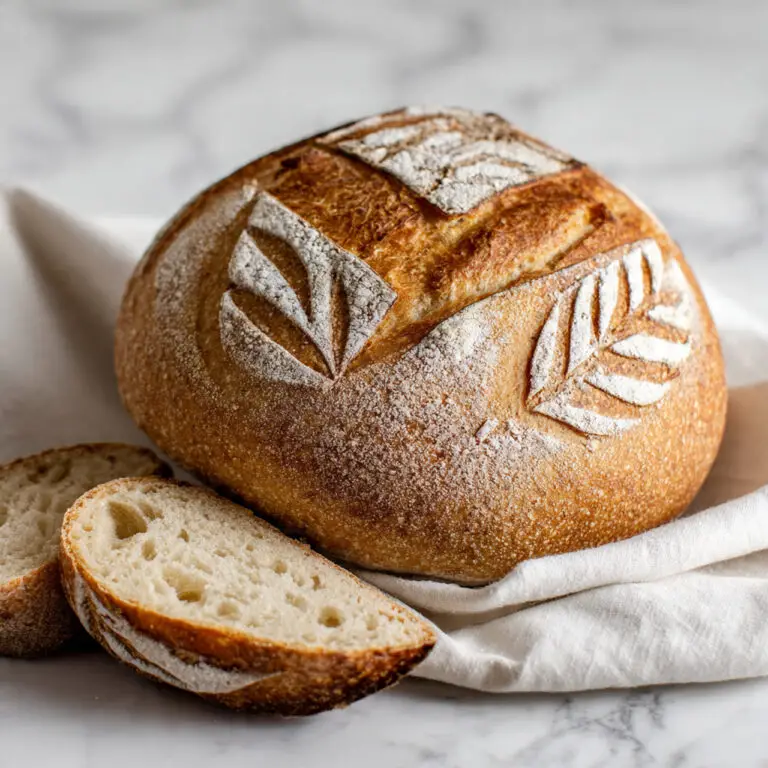
There is something utterly magical about a soft, buttery loaf of brioche fresh from your own oven. This Homemade Brioche Recipe invites you to dive into the wonderfully rich and tender crumb that only a carefully handmade dough can produce. Whether you’re a seasoned baker or trying your hand at enriched breads for the first time, this recipe guides you step-by-step through creating a show-stopping loaf bursting with flavor and that satisfyingly golden crust. Get ready to fill your kitchen with mouthwatering aroma and enjoy the unbeatable pleasure of homemade brioche!
Ingredients You’ll Need

Simple, classic ingredients form the backbone of this recipe, each playing a crucial role in building the brioche’s perfect texture, deep flavor, and beautiful color. Having quality staples on hand makes all the difference.
- Bread flour (3 and 1/4 cups, 423g): Provides the necessary gluten structure to support the rich dough’s rise.
- Active dry or instant yeast (2 and 1/4 tsp): The essential leavening agent for airy, fluffy crumb.
- Granulated sugar (1/4 cup, 50g): Adds subtle sweetness and helps with browning.
- Salt (1 and 1/2 tsp): Balances flavors and strengthens the dough’s gluten network.
- Whole milk, cold (1/2 cup, 120ml): Contributes tenderness and richness to the crumb.
- Large eggs, cold (3): Enrich the dough with fat and protein, ensuring its characteristic color and flavor.
- Unsalted butter, cold (1/2 cup, 113g): The star ingredient that makes brioche luscious and moist.
- Egg wash (1 egg beaten with 1 tbsp milk): Creates a glossy, golden crust at baking.
How to Make Homemade Brioche Recipe
Step 1: Prepare the Dough Base
Start by whisking together bread flour, yeast, sugar, and salt in your stand mixer bowl fitted with a dough hook. Add the cold milk and eggs, then mix on medium-low for about 3 minutes. At this point, the dough will look rough and shaggy but don’t fret — this is just the beginning of developing that lush brioche texture.
Step 2: Knead Until Elastic
Turn the mixer up to medium speed and knead for 8 to 10 minutes. Patience is key here because the dough slowly transforms, wrapping itself around the hook and slapping the bowl sides. If it’s too sticky, add a tablespoon of flour at a time. This longer kneading step develops the gluten needed to support the rich butter you’ll add next.
Step 3: Flatten the Butter
Cut your cold butter into 8 pieces and place them between parchment sheets on a sturdy board. Use a rolling pin to gently pound the butter until it’s about 1/16th-inch thick. Keep it cold while you wait to incorporate it; cold butter is crucial for the right brioche texture and flakiness.
Step 4: Incorporate Butter Gradually
Reduce the mixer speed and slowly add butter two pieces at a time, scraping the bowl sides as needed. Wait until the butter is fully incorporated before adding the next pieces. Once all butter is blended, increase to medium speed and knead for 2 more minutes. The dough should be smooth, elastic, and satiny in texture—soft but strong enough to hold its shape.
Step 5: Chill Overnight
Grease a large bowl and place your dough inside, turning to coat. Cover tightly and refrigerate for 12 to 16 hours or up to 48 hours. This slow fermentation develops deep flavor and improves the dough’s handling qualities later.
Step 6: Shape Your Brioche
After chilling, turn dough onto a floured surface and divide into six equal pieces (using a scale helps). Shape each piece into smooth balls and arrange them in a greased 9×5-inch loaf pan in a zigzag pattern. This traditional shaping creates the signature “pillowy” appearance after baking.
Step 7: Final Rise
Cover the loaf lightly and let rise at room temperature for 1.5 to 2 hours, until it just reaches the rim of the pan and has puffed up nicely. This final proof ensures the brioche has the right airy lift while remaining tender inside.
Step 8: Bake to Perfection
Preheat your oven to 350°F (177°C) with a rack positioned low. Brush the loaf gently with egg wash to ensure a glossy, golden crust, then bake for 35 to 40 minutes. If the top browns too quickly, tent with foil to protect it. The brioche is done when it reaches an internal temperature of 195°F (91°C). Let cool in the pan for 10 minutes before transferring to a rack to cool completely, allowing the crumb to set beautifully.
How to Serve Homemade Brioche Recipe

Garnishes
A dusting of powdered sugar or a drizzle of honey can enhance the sweetness without overpowering the rich buttery flavor. Fresh berries or a smear of homemade jam also pair beautifully for a touch of freshness and color.
Side Dishes
Brioche is incredibly versatile with both sweet and savory accompaniments. Try serving it alongside creamy scrambled eggs, smoked salmon, or a bowl of seasonal fruit to create a memorable brunch experience.
Creative Ways to Present
Slice the brioche thick for decadent French toast or cube it for a luscious bread pudding. You can also hollow out the loaf to fill it with creamy chocolate or fruit preserves for an impressive party centerpiece that is sure to wow your guests.
Make Ahead and Storage
Storing Leftovers
Wrap leftover brioche tightly in plastic wrap or an airtight container to keep it fresh at room temperature for up to 5 days. Alternatively, refrigerate for up to a week, though it’s best enjoyed sooner for maximum softness.
Freezing
Brioche freezes beautifully! Slice or keep whole, then wrap tightly in plastic wrap followed by foil or place in a freezer bag. Frozen brioche lasts up to 3 months without losing its lovely texture.
Reheating
Warm slices gently in a toaster or wrapped in foil in a 300°F oven for about 10 minutes. This revives the soft crumb and enhances the buttery fragrance, almost as if freshly baked.
FAQs
Can I make this Homemade Brioche Recipe without a stand mixer?
Absolutely! You can knead the dough by hand, although it will take more elbow grease and patience to develop the gluten to the right stage. Using a dough hook speeds the process but isn’t mandatory.
Why is the butter kept cold throughout the process?
Cold butter prevents it from melting prematurely into the dough, allowing it to create flaky layers and that signature brioche softness. It also helps the dough remain manageable during mixing and shaping.
Can I substitute any ingredients in this recipe?
While bread flour is preferred for structure, all-purpose flour can work in a pinch but may yield a less chewy texture. For milk, whole milk adds richness but 2% can be substituted. Avoid low-fat or skim milk for best results.
How do I know when the brioche dough has rested enough?
The dough should double in size during the rise and look noticeably puffed at final proof. Gently press a finger into the dough; if the indentation springs back slowly, it’s ready to bake.
Is this Homemade Brioche Recipe suitable for beginner bakers?
Yes! Although brioche is often seen as advanced, this step-by-step method is designed to be approachable and forgiving. With a bit of time and care, anyone can create a stunning loaf.
Final Thoughts
There truly is nothing like pulling an irresistibly soft, golden brioche loaf straight from your own oven. This Homemade Brioche Recipe rewards your patience with delicate crumb and buttery richness that’s perfect for any occasion. Whether you share it with loved ones or savor it yourself, I hope you enjoy every blissful bite of this classic treat. Happy baking!
PrintHomemade Brioche Recipe

This Homemade Brioche recipe yields a rich, buttery, and tender bread that is perfect for breakfast, sandwiches, or simply enjoyed on its own. With a soft and fluffy crumb and a golden crust, this classic French brioche is made from scratch using simple ingredients like bread flour, eggs, butter, and milk, fermented slowly in the refrigerator to develop deep flavor and delicate texture.
- Prep Time: 20 minutes
- Cook Time: 35 minutes
- Total Time: 13 hours 55 minutes (includes 12-16 hours refrigeration and 1.5-2 hours rising)
- Yield: 1 loaf (about 8-10 slices)
- Category: Baking
- Method: Baking
- Cuisine: French
Ingredients
Dough
- 3 and 1/4 cups (423g) bread flour, spooned & leveled, plus more as needed
- 2 and 1/4 teaspoons (7g) active dry or instant yeast (1 standard packet)
- 1/4 cup (50g) granulated sugar
- 1 and 1/2 teaspoons salt
- 1/2 cup (120ml) whole milk, cold
- 3 large eggs, cold
- 1/2 cup (113g; 8 Tbsp) unsalted butter, cold
Egg Wash
- 1 large egg beaten with 1 Tablespoon (15ml) milk
Instructions
- Make the dough: In the bowl of a stand mixer fitted with a dough hook attachment, whisk together the flour, yeast, sugar, and salt. Add the cold milk and eggs, then mix on medium-low speed for 3 full minutes until the dough comes together into a rough, shaggy mass. Stop to scrape down the bowl sides as needed.
- Knead the dough: Increase the mixer speed to medium and knead for 8 to 10 minutes. The dough should become elastic and wrap around the hook, slapping the sides of the bowl. If still too sticky after 8 minutes, add more flour 1 tablespoon at a time.
- Prepare the butter: Place a sheet of parchment paper on a sturdy cutting board. Cut cold butter into 8 equal pieces and lay them out on the parchment. Cover with a second parchment sheet and use a rolling pin to flatten the butter to about 1/16 inch (2mm) thickness. Keep cold until ready to use.
- Incorporate butter: With the mixer on medium-low, add the flattened butter pieces two at a time, scraping them off the parchment into the bowl. Wait until all butter is fully incorporated and dough is smooth, shiny, and elastic (another 2 minutes after all butter is added). Scrape down the sides as needed.
- Refrigerate dough: Lightly grease a large bowl with butter, oil, or nonstick spray. Shape dough into a ball, place in bowl, and turn to coat. Cover tightly and refrigerate for 12 to 16 hours, up to 48 hours for flavor development.
- Prepare loaf pan: Grease a 9×5-inch loaf pan and set aside.
- Shape brioche: Turn chilled dough onto a lightly floured surface. Divide into 6 equal pieces using a bench scraper or scale for accuracy. Shape each piece into a smooth ball and arrange in the loaf pan in a zigzag pattern.
- Proof brioche: Cover the loaf lightly and let rise at room temperature for 1.5 to 2 hours until dough is puffy and nearly reaches the rim of the pan.
- Preheat oven: Position a rack in the lower third of the oven and preheat to 350°F (177°C).
- Apply egg wash and bake: Brush the top of the risen dough with the egg wash. Bake for 35 to 40 minutes until golden brown and an instant-read thermometer inserted reaches 195°F (91°C). Tent with foil after 20 minutes if browning too quickly.
- Cool: Let brioche cool in the pan on a rack for 10 minutes, then carefully invert onto the rack to cool completely, at least 1 hour before slicing to allow the crumb to set.
- Store: Store leftover brioche covered at room temperature for up to 5 days or in the refrigerator for up to 1 week.
Notes
- Be sure to keep the butter cold and flattened for easy incorporation into the dough.
- Do not rush the kneading or refrigeration time; both are key for the dough’s texture and flavor.
- Use a kitchen scale to divide dough evenly for uniform brioche balls that bake consistently.
- The internal baking temperature of 195°F ensures the brioche is fully baked inside without being doughy.
- Allow brioche to cool completely before slicing to get neat, fluffy slices. Warm brioche will be very soft and delicate.
- If you don’t have a stand mixer, kneading by hand is possible but will require significant effort and time.