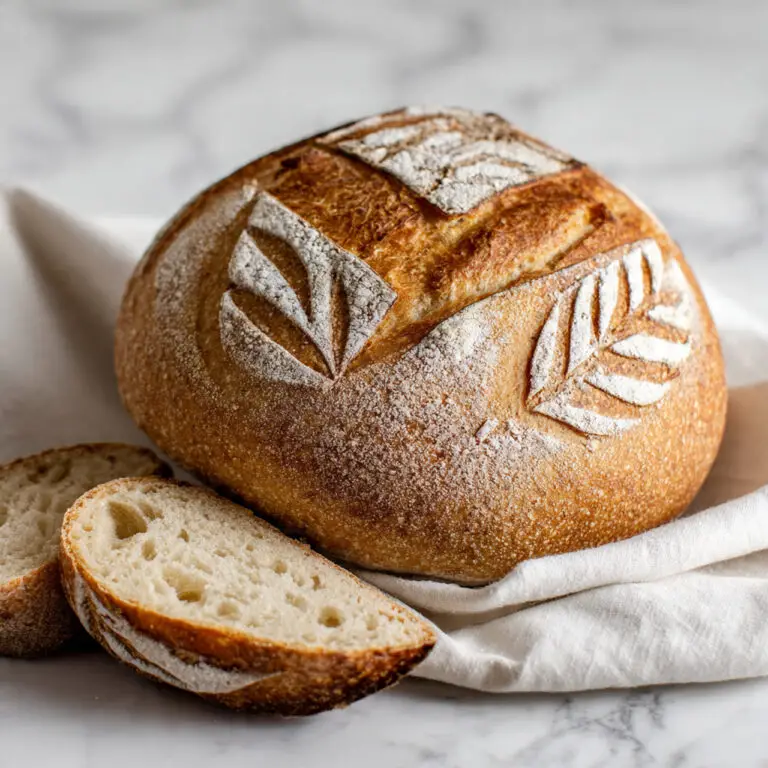
If you’ve ever dreamed of biting into warm, fluffy pockets filled with irresistible homemade charm, this Homemade Pita Bread Recipe is your new kitchen best friend. It’s a simple yet magical blend of classic ingredients like warm water, yeast, Greek yogurt, and extra-virgin olive oil, expertly combined to create pitas that puff up perfectly, developing that iconic pocket. There’s something so deeply satisfying about crafting these soft rounds from scratch, and once you get the hang of it, you’ll wonder how you ever lived without having your own homemade pitas ready at a moment’s notice.
Ingredients You’ll Need
Ingredients You’ll Need

Before diving into the mixing bowl, let’s appreciate how straightforward and thoughtfully selected these ingredients are. Each plays a vital role in delivering the perfect texture, flavor, and golden hue that make this pita bread truly stand out.
- Warm water: Activates the yeast for that beautiful rise and airy pocket.
- Active dry yeast: The magic agent that makes the dough puff up delightfully.
- Sugar: Helps jumpstart the yeast and adds a subtle sweetness for balance.
- Bread flour: Provides the ideal gluten structure for pliable yet sturdy pitas.
- Sea salt: Enhances flavor while helping strengthen the dough’s texture.
- Extra-virgin olive oil: Adds richness and a hint of fruitiness for depth.
- Whole-milk Greek yogurt: Creates moist, tender crumb with a slight tang.
How to Make Homemade Pita Bread Recipe
Step 1: Activate the Yeast
Start with a medium bowl where you combine warm water, yeast, and a teaspoon of sugar. Let this mixture sit peacefully for about five minutes until it becomes foamy on top. This foam is your yeast waking up and ready to work its rising magic. It’s a small moment of anticipation that sets the stage perfectly for fluffy pita bread.
Step 2: Mix and Knead the Dough
In a large mixing bowl or your trusty stand mixer fitted with a paddle attachment, combine the bread flour, sea salt, and remaining tablespoon of sugar. Add the yeast mixture, olive oil, and creamy Greek yogurt, then mix them all together. Knead the dough either in the stand mixer on medium speed or by hand on a clean surface, adding a little more flour if it’s too sticky. You’re aiming for a soft and slightly sticky dough, kneading for 7 to 10 minutes until it feels wonderfully elastic.
Step 3: Let the Dough Rise
Once kneaded, transfer your dough to a bowl lightly coated with olive oil to prevent sticking. Cover it with a towel or plastic wrap and leave it to rise in a cozy spot until it doubles in size, which usually takes about 2 hours. This step is where your dough transforms, becoming airy and pliable, ready for its pita destiny.
Step 4: Shape the Pitas
Preheat the oven to a scorching 500°F and prepare two baking sheets by lining them with parchment paper. Turn your dough out onto a floured surface, divide it into 12 equal balls, and cover them to rise again for 20 minutes. Then, gently roll each ball into circles about a quarter to half an inch thick, ready to puff up into those perfect pockets.
Step 5: Bake to Puffy Perfection
Place your rolled-out dough circles onto the baking sheets, leaving an inch between each. Bake one sheet at a time, watching eagerly as they puff up and turn a light golden on top. Start checking around 5 minutes—bake them roughly 8 minutes total, rotating the pan halfway to ensure even puffing and browning. Once baked, transfer your pitas to a wire rack to cool, marveling at those perfect bubbles and soft, warm texture.
How to Serve Homemade Pita Bread Recipe
Garnishes
Nothing elevates warm pita bread like the right garnishes. Think lightly brushing the tops with fragrant olive oil, a sprinkle of za’atar or sesame seeds before baking, or even a dash of flaky sea salt after baking. These simple touches add flavor layers and make your homemade pitas feel extra special for sharing at the table.
Side Dishes
When it comes to pairing your homemade pita, the possibilities are endless. Serve alongside creamy hummus, smoky baba ganoush, or a vibrant tabbouleh salad for that Mediterranean vibe. They also make an amazing vehicle for grilled meats, falafel, or fresh vegetables. The soft pockets hold fillings beautifully, turning any meal into a celebration of texture and taste.
Creative Ways to Present
Why not turn your Homemade Pita Bread Recipe into a fun interactive experience? Slice the pitas into triangles and serve as dippers for dips, or warm them briefly and stuff with shawarma-style spiced chicken and crunchy veggies for a casual wrap. Another delightful idea is flipping them into mini pizzas topped with your favorite flavors—a perfect way to get creative and impress guests.
Make Ahead and Storage
Storing Leftovers
Leftover pitas can be stored in an airtight container or resealable bag at room temperature for a couple of days. This keeps them soft and ready for quick snacks or to jazz up your meals in a flash. Just make sure they’re completely cooled before storing to avoid sogginess.
Freezing
These pitas freeze exceptionally well, making them ideal for batch baking. Once cooled, place them in a freezer-safe bag separated by parchment paper to prevent sticking. When you’re ready to enjoy, simply thaw or toast them from frozen for that fresh-out-of-the-oven charm anytime you crave.
Reheating
To bring your pitas back to life, the toaster or oven works wonders. Toasting them lightly not only warms but crisps the edges slightly, enhancing their flavor and texture. If you prefer soft pitas, wrap them in foil and warm in a 300°F oven for about 10 minutes—just enough to revive their softness without drying out.
FAQs
Can I use all-purpose flour instead of bread flour?
Absolutely! Though bread flour gives the best chew and elasticity because of its higher protein content, all-purpose flour can work in a pinch. Your pitas may be slightly less chewy but will still puff nicely and taste delicious.
Why is my pita bread not puffing up?
If your pitas aren’t puffing, it might be due to the dough being too thick or not rested enough. Try rolling them to the right thickness—about a quarter to half an inch—and ensure the dough has had enough time to rise fully before baking at a very hot oven temperature.
Can I substitute Greek yogurt with plain yogurt?
Yes, plain yogurt can be a substitute. Just make sure it’s thick and creamy to help tenderize the dough. If it’s thinner, you might want to reduce the water slightly to keep the dough from becoming too sticky.
How long can I store homemade pita bread in the refrigerator?
While pita bread keeps best at room temperature for a couple of days, you can store it in the fridge for up to a week. However, refrigeration may dry them out, so warming before serving is recommended to restore softness.
Is it necessary to bake one sheet at a time?
Baking one sheet at a time ensures even heat distribution and better puffing. If your oven is large enough to handle two sheets without crowding, you can try baking both, but monitor carefully and rotate them for even cooking.
Final Thoughts
There’s nothing quite like pulling warm, pillowy pockets of homemade pita bread right out of the oven, especially when you made them yourself using this Homemade Pita Bread Recipe. It’s comforting, rewarding, and endlessly versatile—perfect for casual meals or impressing friends at gatherings. Give it a try, and soon your kitchen will be filled with the irresistible aroma and joy of fresh-baked pita bread, every single time.
PrintHomemade Pita Bread Recipe

This Homemade Pita Bread recipe yields soft, fluffy, and perfectly puffed pita pockets that are ideal for sandwiches, dips, or as a side to Mediterranean dishes. Made with simple ingredients like flour, yeast, olive oil, and Greek yogurt, this recipe guides you through easy steps to create fresh pita bread at home with a delightful texture and subtle tang.
- Prep Time: 15 minutes
- Cook Time: 8 minutes per batch
- Total Time: 2 hours 30 minutes
- Yield: 12 pita breads
- Category: Bread
- Method: Baking
- Cuisine: Mediterranean
Ingredients
Dough Ingredients
- ¾ cup warm water
- 1 package active dry yeast (2¼ teaspoons)
- 1 teaspoon sugar
- 1 tablespoon sugar
- 3¾ cups bread flour (469 grams), plus more for dusting
- 1½ teaspoons sea salt
- 3 tablespoons extra-virgin olive oil, plus more for the bowl
- ¾ cup whole-milk Greek yogurt
Instructions
- Activate Yeast: In a medium bowl, combine the warm water, active dry yeast, and 1 teaspoon of sugar. Let the mixture rest for about 5 minutes until it becomes foamy on top, indicating that the yeast is active.
- Prepare the Dough: In a large mixing bowl or stand mixer fitted with a paddle attachment, mix together the bread flour, sea salt, and the remaining tablespoon of sugar. Add the yeast mixture, olive oil, and Greek yogurt. Knead the dough either using the mixer on medium speed or by hand on a clean surface for 7 to 10 minutes. The dough should be soft and slightly sticky, adding more flour if necessary.
- First Rise: Transfer the kneaded dough into an oiled bowl, cover it with a towel or plastic wrap, and let it rise in a warm place until it doubles in size, approximately 2 hours.
- Preheat Oven: Set your oven to 500°F (260°C). Line two baking sheets with parchment paper to prepare for baking the pita bread.
- Shape Dough Balls: Turn the risen dough out onto a clean work surface and divide it evenly into 12 balls. Cover the dough balls and let them rest for an additional 20 minutes to allow for a second rise.
- Roll Out Pitas: Roll each dough ball into a circle about ¼ to ½ inch thick. Arrange the rolled circles on the prepared baking sheets, spacing them about an inch apart to allow for puffing and expansion during baking.
- Bake Pitas: Bake the pita bread one sheet at a time in the preheated oven. Begin checking after 5 minutes; the pitas will puff up and turn lightly browned on top after approximately 8 minutes. Rotate the baking sheet at the 5-minute mark to ensure even puffing and browning.
- Cool: Once baked, transfer the pita breads to a wire rack to cool before serving or storing them.
Notes
- These pita breads freeze really well. To freeze, pull them out of the oven just before they turn brown for best texture upon reheating.
- To thaw and reheat frozen pitas, simply toast them which will restore some crispness and enhance browning.