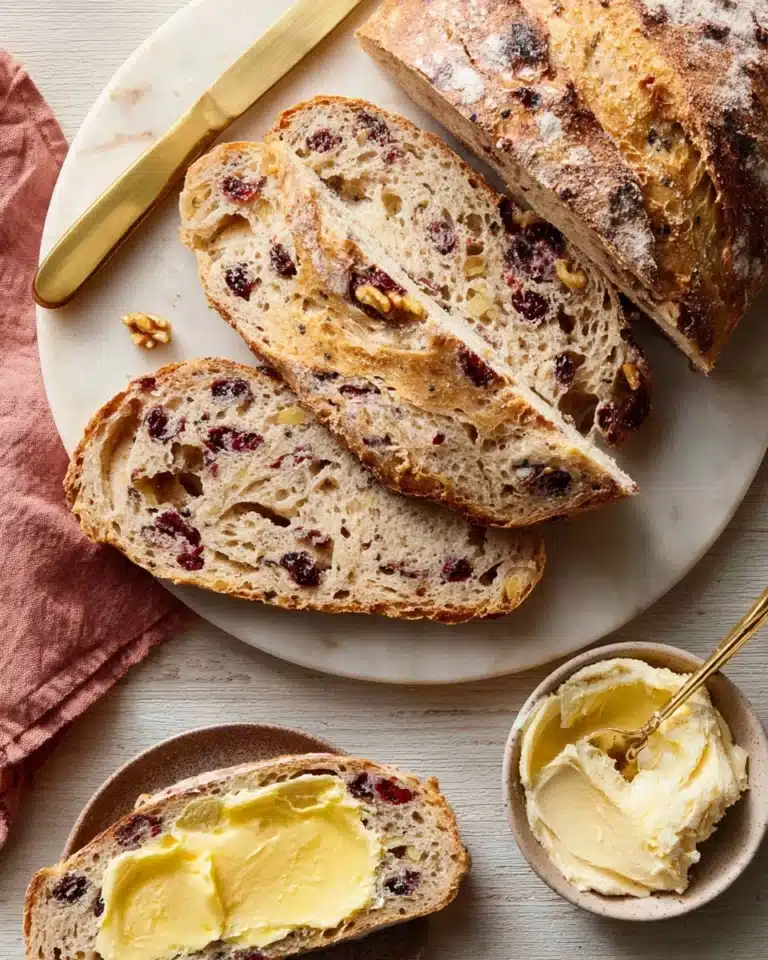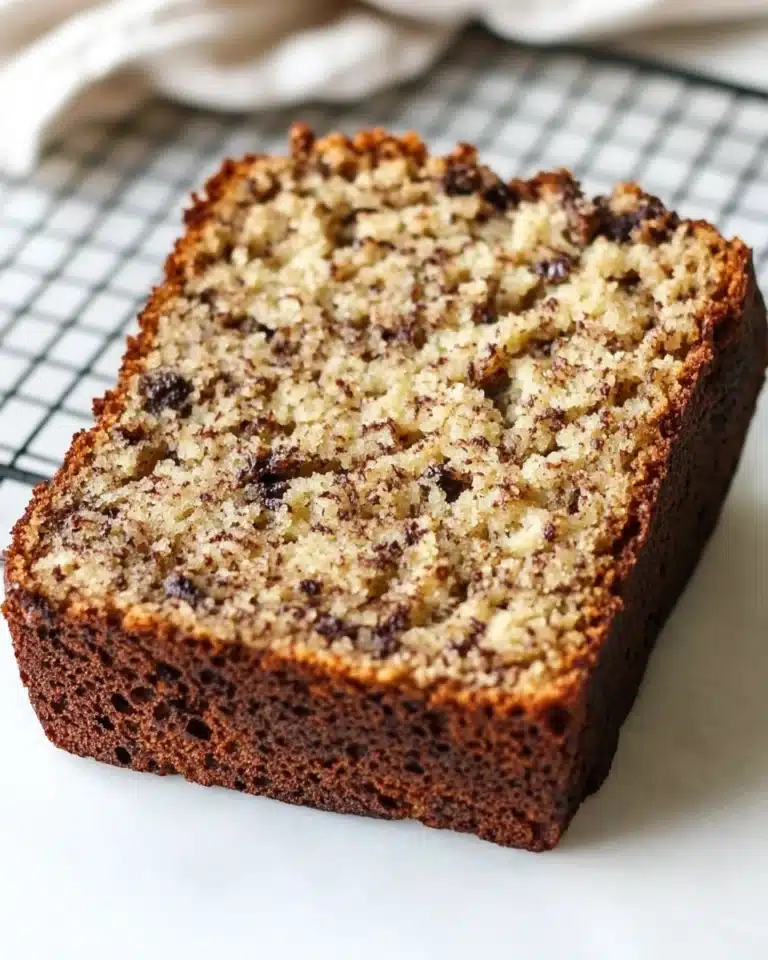
There is something truly magical about a freshly baked loaf that feels like a warm hug from the inside out, and the Homemade Buttery Brioche Bread Loaf Recipe is exactly that. This bread is silky soft, enriched with luxurious butter and eggs, and boasts a beautiful golden crust that’s perfect for breakfast, tea time, or an indulgent snack. Whether you’re an experienced baker or just starting out, this recipe walks you through every step with heart, ensuring that the delightful aroma and tender crumb of homemade brioche become a delicious memory in your kitchen.
Ingredients You’ll Need

Getting ready to make this Homemade Buttery Brioche Bread Loaf Recipe is a joyful affair because it calls for simple, high-quality ingredients that each play an essential role. From the creamy butter that adds richness, to the precise amount of yeast that brings the loaf to life, every component harmonizes to create that tender crumb and shiny crust you’ll love.
- Unbleached all-purpose flour (60 grams): Used for the preferment, it helps develop flavor and structure early on.
- Whole milk (80 ml, heated): Warm milk activates the yeast and enriches the dough’s softness.
- Active dry yeast (2-1/4 teaspoons): This magical ingredient is the engine behind your loaf’s rise and fluffiness.
- Bread flour (188 grams): Gives brioche its classic chewy texture by adding protein strength.
- Unbleached all-purpose flour (158 grams): Balances the dough for softness and tenderness.
- Granulated sugar (3 tablespoons): Sweetens the dough just enough to highlight the buttery notes.
- Large eggs (4, cold): Add richness and help create the beautiful golden color of the crust.
- Kosher salt (1-1/4 teaspoons): Elevates all flavors and controls yeast activity.
- Unsalted butter (14 tablespoons, room temperature): The star of the show, giving the brioche its iconic buttery taste and tender crumb.
- Large egg + whole milk for egg wash: Creates that glossy, irresistible finish on the crust.
- Swedish pearl sugar (optional): Adds a sweet, crunchy texture on top if you want a little extra flair.
How to Make Homemade Buttery Brioche Bread Loaf Recipe
Step 1: Create the Flavorful Preferment
Start by warming the milk until it’s comfortably warm, between 80 and 100 degrees Fahrenheit – just right to wake up the yeast. Mix the active dry yeast with the warm milk, then stir in the all-purpose flour to make a smooth, slightly thick batter. Cover it tightly with plastic wrap and let it rest for 45 minutes. When you return, the preferment should have tripled in size and be bubbling with life – this step lays the groundwork for a deeply flavorful brioche.
Step 2: Prepare the Creamy Dough
Next, beat the unsalted butter until it’s smooth and creamy, then refrigerate to cool it down to the proper temperature. In your stand mixer bowl, combine the bread flour and all-purpose flour, whisking them together. Add the sugar, salt, eggs, and the vibrant preferment. Using the paddle attachment, mix everything briefly until the dough just starts to come together – if lumps remain, incorporate a splash of milk to smooth it out. Switch to the dough hook and knead on low to medium speeds for about 16 to 18 minutes. Here, patience pays off as the dough slowly becomes elastic and silky, ready to hold its buttery treasure.
Step 3: Add the Butter in Stages
This is where the magic of brioche truly happens. Incorporate the softened butter in thirds, mixing thoroughly each time and scraping down the sides to ensure everything combines smoothly. The dough will look glossy and feel almost like velvet when it’s ready, pulling away gently from the bowl’s sides. Don’t be discouraged if the butter looks uneven at first; just keep mixing and folding until you achieve that perfect blend.
Step 4: First Rise and Gentle Knead
Transfer your dough to a lightly greased container and press it down gently. Let it rise undisturbed in a warm spot until it doubles in size, which will take about an hour or two. Then punch it down softly to deflate, kneading it a little on a floured surface for 1 to 2 minutes to redistribute the yeast and refine the texture. Place the dough back in a bowl, cover it, and chill in the refrigerator for 6 to 24 hours, allowing flavors to deepen and texture to perfect.
Step 5: Shape Your Loaf with Love
Divide your dough in half and work with one portion at a time, splitting it into eight equal pieces. One by one, form each into tight, smooth balls—this creates the signature soft inside and gentle pull-apart ability of brioche bread. Arrange the dough balls in a greased loaf pan in two neat rows. Cover and let the dough rise again until it becomes softly puffy and springs back gently to the touch.
Step 6: Bake to Golden Perfection
Preheat your oven to 350 degrees Fahrenheit while prepping the egg wash by whisking together an egg and a splash of milk. When you’re ready, gently brush the dough’s surface without pressing down to avoid deflating, and sprinkle on pearl sugar if you’re going for a crunchy top. Bake the loaf for 30 to 35 minutes until it glows golden brown and reaches an internal temperature of 190 degrees Fahrenheit. Let it rest briefly in the pan before turning it out onto a wire rack. This resting time helps stabilize the crumb and makes slicing easier.
How to Serve Homemade Buttery Brioche Bread Loaf Recipe

Garnishes
This buttery brioche loaf shines on its own, but a light brush of melted butter right after baking can enhance its sheen and add an irresistible aroma. You can also sprinkle powdered sugar for a charming breakfast treat or spread a thin layer of homemade jam or honey for elevated sweetness.
Side Dishes
Pair this loaf with creamy scrambled eggs, smoked salmon, or a comforting bowl of soup for an indulgent meal. It also works beautifully with fresh berries and mascarpone or alongside a rich hot chocolate for a decadent afternoon snack.
Creative Ways to Present
Serve your brioche sliced and toasted with savory toppings like melted cheese and herbs or use it to make elegant French toast that soaks up syrup perfectly. It’s also delightful as the base for gourmet sandwiches, from ham and gruyere to avocado and smoked turkey—each bite a little celebration.
Make Ahead and Storage
Storing Leftovers
Wrap leftover brioche tightly in plastic wrap or place it in an airtight container at room temperature to keep it fresh for up to three days. This gentle storage preserves the soft texture and buttery aroma, keeping the loaf deliciously enjoyable beyond the first day.
Freezing
If you want to enjoy your Homemade Buttery Brioche Bread Loaf Recipe over time, freezing is a fantastic option. Wrap the cooled bread securely in plastic wrap and then foil, placing it inside a freezer-safe bag to avoid freezer burn. Your brioche will hold well frozen for up to three months, ready to come back to life with a quick thaw.
Reheating
To refresh frozen or leftover brioche, gently warm slices in a toaster or oven at a low temperature until the loaf regains its tender warmth. Avoid microwaving as it can make the bread rubbery; slow warming keeps the crumb soft and the butter flavors vibrant, as if just baked.
FAQs
Can I use instant yeast instead of active dry yeast?
Absolutely! If you substitute instant yeast, you can mix it directly with the flour instead of activating it in warm milk. It generally works a bit faster, so keep an eye on your dough’s rise.
Why does the dough need to be refrigerated for so long?
Chilling the dough slows fermentation, letting the flavors develop more complexity and giving the bread a finer, more tender crumb. It’s worth the wait for that exquisite brioche texture!
Can I make this brioche without a stand mixer?
Yes, though it requires a bit more elbow grease to achieve the elastic, smooth dough. Knead the dough by hand for about 20 to 25 minutes until it passes the windowpane test, and maintain room temperature for best butter incorporation.
What does the windowpane test mean?
The windowpane test checks your dough’s gluten development. When you stretch a small piece of dough thinly, it should stretch without tearing, showing it can hold gases well for a great rise and perfect texture.
Can I make smaller rolls instead of a loaf?
Definitely! Shaping the dough into individual rolls is a wonderful variation and shortens baking time. Simply adjust baking for about 15-20 minutes, and enjoy pull-apart buttery goodness!
Final Thoughts
Once you dive into this Homemade Buttery Brioche Bread Loaf Recipe, you’ll quickly realize why brioche holds such a special place in the world of baking. It’s the perfect balance of creamy, rich, and tender that elevates even the simplest breakfasts or snacks. So roll up your sleeves, savor every step, and enjoy the wonderful smiles this loaf will bring when shared with loved ones.
PrintHomemade Buttery Brioche Bread Loaf Recipe

This homemade buttery brioche bread loaf recipe yields a tender, rich, and fluffy brioche perfect for breakfast or as a luxurious sandwich bread. Utilizing a preferment for enhanced flavor, the dough is carefully mixed with plenty of butter, rested, shaped into rolls, and baked to a golden perfection with an optional pearl sugar topping for a delightful crunch.
- Prep Time: 1 hour 30 minutes
- Cook Time: 35 minutes
- Total Time: 8 hours 5 minutes (including chilling and rising)
- Yield: 1 loaf (8 rolls, about 12-16 servings)
- Category: Bread
- Method: Baking
- Cuisine: French
- Diet: Vegetarian
Ingredients
Preferment
- 1/2 cup (60 grams) unbleached all-purpose flour
- 1/3 cup (80 ml) whole milk, heated to 80-100°F
- 2–1/4 teaspoons (10 grams) active dry yeast
Dough
- 1–1/2 cups (188 grams) bread flour
- 1–1/4 cups (158 grams) unbleached all-purpose flour
- 3 tablespoons (38 grams) granulated sugar
- 4 large eggs (200 grams), cold
- 1–1/4 teaspoons kosher salt
- 14 tablespoons (200 grams) unsalted butter, room temperature at 65-68°F
Egg Wash and Topping
- 1 large egg
- 1 tablespoon whole milk
- 2 teaspoons Swedish pearl sugar (optional)
Instructions
- Make the Preferment: Warm the milk to 80-100°F and whisk together with the active dry yeast in a medium bowl. Add the all-purpose flour and stir until smooth. Cover with plastic wrap and let ferment for 45 minutes until it triples in volume with bubbles on top.
- Make the Dough: Beat the unsalted butter until smooth and creamy, then refrigerate until cooled to 65-68°F. In a stand mixer bowl, whisk bread flour and all-purpose flour together. Add sugar, kosher salt, cold eggs, and the preferment. Mix on medium speed with paddle attachment for 1 minute until combined, adding up to 1 tablespoon milk to smooth out lumps. Switch to dough hook and knead on low speed for 16-18 minutes until dough is elastic and pulls away from the bowl. Perform windowpane test to check readiness; knead 3-5 minutes more if necessary.
- Rest the Dough: Transfer dough to a small bowl, cover with a towel, and let rest for 15 minutes to relax gluten.
- Add Butter: Place dough back in the mixing bowl and incorporate softened butter in three additions, mixing on low speed and scraping bowl sides frequently. Continue kneading for 16-18 minutes until dough is smooth, shiny, pliable, cool to touch, and slightly sticky but not sticking to fingers (total mixing time about 22 minutes).
- First Rise: Transfer dough to a lightly greased 8-cup container or large bowl and press down lightly to about the 4-cup mark. Let rise in a warm spot until doubled to the 8-cup mark.
- Punch Down and Refrigerate: Gently deflate the dough by pressing down with your fist. Knead briefly (1-2 minutes) on a floured surface for an even texture. Place dough back in a large bowl, cover, and refrigerate for at least 6 hours up to 24 hours to develop flavor. If short on time, chilling for 2 hours is acceptable.
- Shape the Loaves: Divide dough into two equal pieces, refrigerating one while working with the other. Cut the piece into 8 equal portions (~55 grams each). Shape each into tight balls by gently flattening, then rolling under the palm in a circular motion to create surface tension until smooth and taut.
- Assemble and Final Rise: Lightly grease an 8.5 x 4.5-inch loaf pan. Arrange the eight dough balls seam-side down in two rows of four. Cover with a kitchen towel and let rise in a warm place for 1-2 hours until dough bounces back when lightly pressed.
- Bake the Brioche: Preheat oven to 350°F. Beat egg with milk and gently brush the risen dough with egg wash, taking care not to deflate it. Optionally sprinkle with pearl sugar. Bake for 30-35 minutes until brioche is dark golden brown and internal temperature reaches 190°F. Let cool in pan for 10 minutes, then invert onto a wire rack.
- Serving and Storage: Cool brioche 30-45 minutes before slicing for best texture; pull-apart style rolls can be separated after 20-30 minutes. Store baked bread wrapped at room temperature up to 3 days or freeze wrapped for up to 3 months.
Notes
- Butter temperature is crucial; keep between 65-68°F for easy incorporation.
- Adding milk to the initial dough mixing helps smooth out lumps and prevents lumpy dough.
- The windowpane test ensures gluten development is sufficient to handle high butter content.
- Resting the dough relaxes gluten and facilitates butter absorption for tender crumb.
- Refrigeration slows fermentation to develop flavor; longer chilling improves taste and texture.
- Handling dough gently when shaping preserves air bubbles for a light texture.
- Egg wash adds color and shine to the finished loaf.
- Pearl sugar adds optional crunchy sweetness on top.
- Use a kitchen scale for precise portioning when dividing dough balls.
- Allow bread to cool partially before slicing to avoid gummy texture.