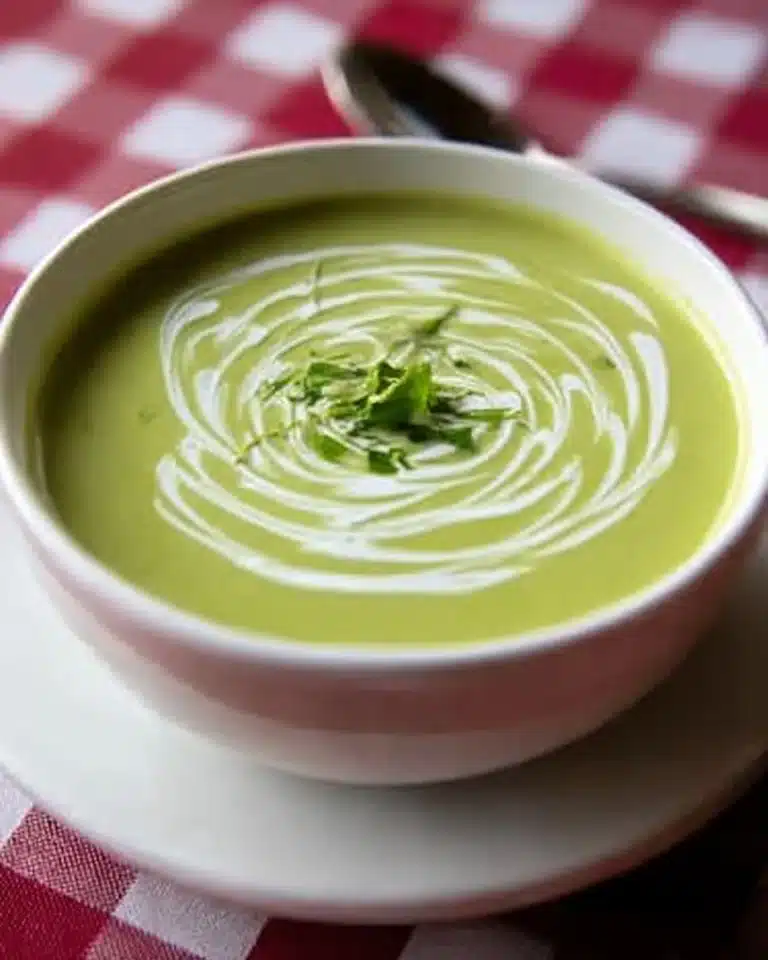
If you have ever wondered how to add a warm, comforting base to your soups, stews, or sauces, then this Homemade Chicken Stock Recipe is just what you need. This recipe transforms simple kitchen scraps and fresh aromatics into a rich, flavorful stock that brings depth and soul to any dish. With just a bit of time and patience, you can create a silky, golden broth that will elevate your cooking and fill your kitchen with irresistible aromas. Let me take you step-by-step through this delightful process to make your own homemade staple that tastes so much better than any store-bought version.
Ingredients You’ll Need

Gathering these few but essential ingredients is the first step toward creating a wonderfully balanced chicken stock. Each one plays a vital role: vegetables for sweetness and aroma, herbs for freshness, and the chicken carcass for that deep, meaty flavor and body.
- Chicken carcass: The foundation of your stock, packed with collagen and flavor from the bones and leftover skin.
- Celery ribs: Adds a subtle earthiness and a hint of bitterness that balances the broth.
- Large carrots: Contribute natural sweetness and vibrant color to brighten the stock.
- Onion: Gives aromatic depth and a subtle sharpness when simmered.
- Garlic cloves: Crushed to release a mellow, fragrant punch without overwhelming.
- Fresh thyme sprigs: Infuse a gentle herbal note that complements the chicken’s richness.
- Bay leaves: Offer subtle complexity and a warm, woodsy aroma throughout simmering.
- Parsley stems: Add a fresh, grassy undertone that brightens the overall flavor.
- Peppercorns (optional): Provide just the right amount of gentle heat and spice to round out the stock.
How to Make Homemade Chicken Stock Recipe
Step 1: Strip the Chicken Carcass of Meat
Start by peeling off any remaining meat from your chicken carcass. Use your hands to carefully pull the meat away from the bones, transferring it to a container. This meat can be saved for soups, chicken salad, or just as a delicious topping on your favorite greens. Stripping the carcass helps ensure the full flavor extracts into your stock during simmering.
Step 2: Add Ingredients to the Pot
Into a large stockpot or Dutch oven, place the chicken carcass along with chopped celery, carrots, onion quarters, crushed garlic, fresh thyme sprigs, bay leaves, parsley stems, and optional peppercorns. This medley of ingredients is what will create a beautifully layered broth, combining sweet, savory, and fresh notes.
Step 3: Cover with Water and Bring to Simmer
Pour about 10 cups of cold water over the ingredients in your pot. Turn the heat on medium and wait until the water just reaches a low boil, then immediately turn the heat down to maintain a gentle simmer. It’s important your stock never boils hard to avoid emulsifying fat and proteins, which would give you cloudy, greasy stock instead of a clear, refined broth.
Step 4: Skim and Simmer Gently
Make sure all ingredients stay submerged beneath the water. Cover the pot with a lid and let the stock simmer gently on low heat for roughly three hours. Every 45 minutes or so, check the surface and use a spoon to skim off any foam or impurities. Don’t stress about exact timings; whether it simmers for two or four hours, you’ll end up with delicious stock—just adjust with water if needed for concentration.
Step 5: Strain the Stock
Once your stock has simmered and developed incredible flavor, prepare a fine mesh strainer lined with cheesecloth over a large bowl. Carefully ladle and strain the stock to remove all solids, gently pressing to extract all the flavorful liquid. You should end up with about 5 to 6 cups of rich, golden stock ready to use or store.
Step 6: Use, Store, or Freeze Your Stock
Transfer the cooled stock into smaller containers to speed up chilling. Once fully cooled, cover and refrigerate. After sitting overnight, you’ll notice a layer of fat solidify on top—feel free to skim this off for a leaner broth. The stock will be gelatinous when cold, a sign of perfectly extracted collagen. Use within five days or freeze to keep for up to six months.
How to Serve Homemade Chicken Stock Recipe

Garnishes
To highlight your homemade chicken stock’s warmth, try garnishing with fresh herbs like chopped parsley or thyme. A squeeze of lemon juice can add a bright contrast, while finely diced vegetables or noodles soak up the flavorful broth beautifully, making each spoonful a delight.
Side Dishes
This stock is a versatile foundation that pairs wonderfully with homemade bread or a fresh green salad. Enjoy a bowl with crusty bread to soak up every drop, or use it as a base to cook grains such as rice or quinoa for an elevated side with more depth and richness.
Creative Ways to Present
Serve your homemade chicken stock as a clear broth in elegant cups as a comforting starter, or layer it over cooked grains with roasted vegetables for a rustic bowl meal. It also makes an excellent poaching liquid for chicken breasts or other delicate proteins, infusing them with gentle flavor and moisture.
Make Ahead and Storage
Storing Leftovers
Keep your stock in airtight containers in the fridge for up to five days. The gelatinous texture when cold indicates it’s packed with nourishing collagen, and you can remove any solidified fat layer for a cleaner taste if desired.
Freezing
For longer storage, pour cooled stock into freezer-safe containers or ice cube trays for easy portioning. Once frozen, transfer cubes to a labeled freezer bag. Homemade chicken stock can be preserved for up to six months without losing its rich flavor.
Reheating
Thaw frozen stock overnight in the fridge or warm directly on the stove over low heat. Stir occasionally and avoid boiling to maintain clarity and prevent breakdown of delicate flavors. Your stock is ready when it gently simmers and fills the kitchen with that cozy, inviting aroma.
FAQs
Can I use raw chicken bones or carcass for Homemade Chicken Stock Recipe?
Absolutely! Using raw carcasses or bones is traditional and actually helps extract the most flavor and collagen during the long simmer, which gives your stock that rich body and silky texture.
Is it necessary to add vegetables like carrots and celery?
While technically optional, these vegetables add natural sweetness, body, and a balanced aroma that transform plain water and bones into a full-bodied stock. They are simple but crucial players in the flavor symphony.
Why should I avoid boiling the stock vigorously?
Boiling causes the fat and proteins to emulsify into the liquid, making it cloudy and greasy instead of clear and smooth. A gentle simmer allows impurities to rise slowly so you can skim them off, producing a cleaner broth.
Can I prepare this Homemade Chicken Stock Recipe in a slow cooker?
Yes! Slow cookers are perfect for gentle simmering without constant monitoring. Just set low and cook for 6 to 8 hours. You may need to adjust the water quantity so you do not end up with an overly concentrated stock.
What should I do with the leftover stock fat?
You can discard it, or save it as schmaltz for cooking—it adds great flavor to roasted veggies, potatoes, or frying eggs. Just be sure to strain it well and store in a clean container.
Final Thoughts
There is nothing quite as satisfying as making your own Homemade Chicken Stock Recipe, turning humble ingredients into a rich, versatile broth that elevates every meal. It brings a dose of love and tradition into your cooking that packaged broth simply can’t match. So give this recipe a try—you’ll soon wonder how you ever cooked without it!
PrintHomemade Chicken Stock Recipe

Learn how to make a rich and flavorful homemade chicken stock using simple ingredients like a chicken carcass, vegetables, and herbs. This slow-simmered stock forms the perfect base for soups, stews, and sauces, providing deep savory notes and a gelatinous texture when cooled.
- Prep Time: 15 minutes
- Cook Time: 3 hours
- Total Time: 3 hours 15 minutes
- Yield: 6 servings (5 to 6 cups of chicken stock)
- Category: Soup Base
- Method: Stovetop
- Cuisine: American
Ingredients
Chicken and Aromatics
- 1 chicken carcass
- 2 celery ribs, chopped
- 2 large carrots, chopped
- 1 onion, quartered
- 3 cloves garlic, crushed
- 4 sprigs fresh thyme
- 2 bay leaves
- Parsley stems (a small handful)
- 10 peppercorns (optional)
Instructions
- Strip the chicken carcass: Use your hands to pull and peel the meat off the bones. Transfer the meat to a container and keep in the fridge. This meat can be saved for chicken salad, soup, or as a topping for greens.
- Make the stock: Place the chicken carcass including bones, skin, and bits into a large stockpot or Dutch oven. Add the chopped celery, carrots, onion, crushed garlic, thyme sprigs, bay leaves, parsley stems, and peppercorns if using.
- Cover with water and simmer: Pour 10 cups of cold water over the ingredients in the pot. Heat on medium until it just starts to boil, then reduce to medium-low to maintain a gentle simmer. Avoid boiling to prevent cloudy or greasy stock.
- Skim the stock: Submerge the ingredients, cover with a lid, and let the stock simmer gently for about 3 hours. Every 45 minutes, skim off any foam that rises to the surface. If you simmer longer, the stock will be more concentrated; shorter time yields lighter stock.
- Strain the stock: Line a fine mesh strainer with cheesecloth and set it over a large bowl. Ladle the stock through the strainer and press the solids to extract as much liquid as possible. You should end up with 5 to 6 cups of stock depending on reduction.
- Use, store or freeze: Transfer the stock into small containers to cool faster. Refrigerate completely, then cover. After refrigeration, a fat layer will form on top—remove if desired. The stock will gel when cold, indicating good collagen extraction. Use within 5 days or freeze for up to six months.
Notes
- For a clearer stock, avoid rapid boiling to minimize emulsification of fats and proteins.
- You can add other herbs like rosemary or parsley leaves for extra flavor.
- If short on time, simmering for 2 hours yields lighter stock suitable for quick recipes.
- Use a large pot to ensure adequate immersion of ingredients and proper simmering.
- The leftover meat from the carcass is great for salads, sandwiches, or as an addition to other dishes.