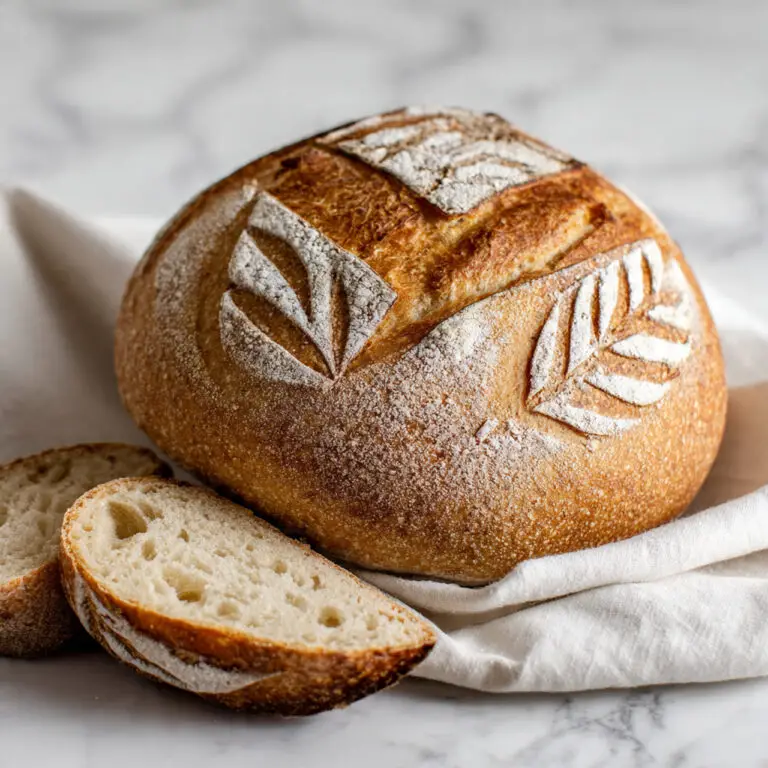
If you’ve ever wanted to bake a truly comforting, rustic loaf at home without fuss and with guaranteed success, then you’re in for a treat. My Mother’s Peasant Bread: The Best Easiest Bread You Will Ever Make Recipe is a treasured family favorite that delivers a crusty, golden crust with a tender, airy crumb inside. This no-knead bread recipe combines simplicity with deliciousness, making it perfect for beginners and seasoned bakers alike. The aroma alone will transport you to cozy kitchens filled with love and warmth, and the taste will have you reaching for seconds — maybe even thirds!
Ingredients You’ll Need

To make this delightful peasant bread, you only need a handful of straightforward ingredients that each play a crucial role. Every element is essential, working together to balance flavor, texture, and appearance while keeping the process wonderfully simple.
- 4 cups (512 g) unbleached all-purpose or bread flour: The foundation of the bread, providing structure and chewiness.
- 2 teaspoons (10 g) kosher salt: Enhances flavor and controls yeast activity.
- 2 cups (454 g) lukewarm water: Hydrates the dough and activates the yeast; the perfect temperature is key.
- 2 teaspoons (8 g) sugar: Feeds the yeast and helps with browning the crust.
- 2 teaspoons (8 g) instant yeast: The magic behind the rise — I personally recommend SAF Instant Yeast for consistent results.
- About 2 tablespoons room temperature butter: For greasing the bowls to ensure an easy release and add a subtle richness to the crust.
How to Make My Mother’s Peasant Bread: The Best Easiest Bread You Will Ever Make Recipe
Step 1: Mixing the dough
Begin by whisking together the flour, kosher salt, sugar, and instant yeast in a large mixing bowl. Once the dry ingredients are well combined, add the lukewarm water and stir until all the flour is fully absorbed into a wet, sticky dough. There’s no kneading involved, so embrace the rustic messiness — this dough is meant to be wet and free-flowing!
Step 2: Letting the dough rise
Cover your bowl loosely with a tea towel or plastic wrap and set it in a warm spot to allow the dough to rise. This can be near a slightly warm oven or a cozy corner in your kitchen. The dough should rest for at least one hour, or up to two hours if your space is a bit chillier. Watch as it puffs up with air bubbles, a sign that the yeast is hard at work, creating that lovely light texture.
Step 3: Preparing for the second rise
While your dough is rising, preheat your oven to 425ºF. Butter two oven-safe bowls — about 1 to 1.5 quarts each — generously to prevent sticking. When the dough is ready, use two forks to punch it down gently and scrape it from the sides of the bowl. Then, using those forks again, divide the dough carefully into two equal portions. Don’t worry if it’s sticky or a bit tricky to handle; this part is part of the fun!
Step 4: The second rise in the bowls
Place each dough portion into the greased bowls and let them rise uncovered on the countertop, ideally near your warm oven’s surface. This second rise will take around 20 to 30 minutes, just enough for the dough to puff up to almost or just above the rim of the bowls. This stage helps develop the bread’s airy crumb and beautiful shape during baking.
Step 5: Baking to perfection
Bake your loaves for 15 minutes at 425ºF, then lower the heat to 375ºF and bake for an additional 15 to 17 minutes. Once done, carefully turn the loaves out onto cooling racks. If they appear pale or soft, pop them back in the oven for another 5 minutes without the bowls for that perfect golden crust. Let them cool for about 10 minutes before slicing to let the crumb set properly.
How to Serve My Mother’s Peasant Bread: The Best Easiest Bread You Will Ever Make Recipe

Garnishes
This bread shines on its own with a rustic charm, but a swipe of fresh butter and a sprinkle of flaky sea salt can elevate it further. For an added twist, brush the crust lightly with olive oil or garlic butter right after baking for an irresistible aroma and flavor boost.
Side Dishes
My Mother’s Peasant Bread pairs beautifully with everything from hearty soups and stews to vibrant salads. Try it alongside a bowl of tomato basil soup, roasted vegetable ratatouille, or a simple cheese board featuring an assortment of earthy cheeses and cured meats for a well-rounded meal.
Creative Ways to Present
Cut the bread into thick slices for rustic sandwiches or small cubes to serve as croutons in salads and soups. Toasted slices make a flawless base for bruschetta topped with fresh tomatoes and basil, or smeared with creamy avocado and a pinch of chili flakes for a trendy snack.
Make Ahead and Storage
Storing Leftovers
To keep your homemade peasant bread fresh, wrap it loosely in a paper bag or a clean kitchen towel and store it at room temperature. This will maintain the crust’s crispness while keeping the interior soft for up to two days. Avoid airtight containers that steam the crust and make it soggy.
Freezing
If you want to enjoy My Mother’s Peasant Bread: The Best Easiest Bread You Will Ever Make Recipe over a longer period, slice it first, then place the pieces in a resealable freezer bag or airtight container. This way, you can pull out only as many slices as you need. The bread freezes exceptionally well for up to three months without losing its wonderful texture.
Reheating
To revive frozen or day-old bread, simply toast individual slices or warm a whole loaf in a 350ºF oven for 10 minutes. This refreshes the crust’s crunch and softens the crumb, making it taste almost freshly baked. If you like, spritz the crust lightly with water before reheating to add some extra moisture and enhance the crust’s crispness.
FAQs
Can I use active dry yeast instead of instant yeast?
Absolutely! If you choose active dry yeast, dissolve it in some lukewarm water with the sugar first and let it stand for about 5 to 10 minutes until foamy before mixing it with the flour. This extra step activates the yeast for a strong rise. Just keep the rest of the steps the same.
Why is the dough so wet and sticky?
That’s the beauty of this recipe: the wet dough means minimal kneading and a wonderfully airy bread. While it can be messy to handle, the high hydration ensures a moist crumb with larger, irregular holes typical of rustic breads.
Can I make a larger or smaller batch?
Yes, scaling the recipe up or down is easy. Just keep the ratios consistent. Using two smaller bowls, as suggested, helps with even baking and forming nice round loaves regardless of size.
What type of flour is best for this bread?
Unbleached all-purpose or bread flour works perfectly. Bread flour will give you a chewier texture due to higher protein content, but all-purpose flour creates a tender loaf as well. Avoid bleached flour for the best flavor and texture.
Is it necessary to grease the bowls with butter?
Greasing the bowls with butter is key. It ensures your loaves release easily after baking and adds just a subtle richness to the crust’s edges. Using butter also helps form that beautiful golden color on the loaf’s bottom and sides.
Final Thoughts
Baking My Mother’s Peasant Bread: The Best Easiest Bread You Will Ever Make Recipe is like inviting a piece of homemade warmth into your kitchen. This simple yet utterly delicious bread combines tradition, ease, and exceptional taste in every bite. Once you try it, you’ll understand why it’s a beloved family staple and why so many return to this recipe again and again. So roll up your sleeves, gather your simple ingredients, and let this bread bring joy, comfort, and the aroma of fresh baking into your home.
PrintMy Mother’s Peasant Bread: The Best Easiest Bread You Will Ever Make Recipe

This easy homemade peasant bread recipe delivers a rustic, crusty loaf with minimal effort. Using simple pantry staples and an effortless two-rise method, it produces warm, soft-centered bread perfect for any meal. The dough is mixed, left to rise twice, and baked in greased oven-safe bowls to create a beautiful crusty round loaf with a tender crumb — ideal for beginners and bread lovers seeking comfort and simplicity.
- Prep Time: 15 minutes
- Cook Time: 37 minutes
- Total Time: 2 hours 27 minutes
- Yield: 2 loaves (2 servings total)
- Category: Bread
- Method: Baking
- Cuisine: American/European rustic bread
Ingredients
Dry Ingredients
- 4 cups (512 g) unbleached all-purpose or bread flour
- 2 teaspoons (10 g) kosher salt
- 2 teaspoons (8 g) sugar
- 2 teaspoons (8 g) instant yeast (SAF Instant Yeast recommended)
Wet Ingredients
- 2 cups (454 g) lukewarm water (made by mixing 1.5 cups cold water with 0.5 cup boiling water)
- Room temperature butter, about 2 tablespoons (for greasing bowls)
Instructions
- Mixing the dough: In a large mixing bowl, whisk together the flour, kosher salt, sugar, and instant yeast. Add the lukewarm water and stir until all the flour is absorbed and forms a sticky dough.
- First rise: Cover the bowl with a tea towel or plastic wrap. Set it aside in a warm spot to let the dough rise for at least 1 hour, or up to 2 hours in cooler conditions, until doubled in size. To create a warm environment, briefly preheat the oven for one minute at 350ºF, then turn it off and place the dough nearby.
- Preheat the oven: Set your oven to 425ºF to prepare for baking.
- Prepare bowls and divide dough: Grease two 1-quart or 1.5-quart oven-safe bowls thoroughly with about 1 tablespoon of butter each. Using two forks, punch down the risen dough by scraping it down from the sides of the bowl and loosening it completely. Then, divide the dough into two equal portions by pulling it apart with the forks. Quickly scoop each half into the prepared bowls, which may be messy since the dough is very wet.
- Second rise: Let the dough rise again uncovered on your countertop near the oven or a warm spot for 20 to 30 minutes, until the dough rises close to or slightly above the rim of the bowls. Do not cover the bowls or use the warm oven trick for this rise.
- Bake: Place the bowls in the oven and bake for 15 minutes at 425ºF. Then reduce the oven temperature to 375ºF and bake for an additional 15 to 17 minutes. Carefully turn the loaves out onto cooling racks. If the crust looks pale or soft, return the loaves to the oven outside the bowls for about 5 more minutes to crisp up.
- Cool and serve: Allow the bread to cool on racks for about 10 minutes before slicing and serving.
Notes
- If using active dry yeast instead of instant yeast, dissolve it in the warm water with sugar first and let it sit until foamy before mixing into flour.
- Greasing the bowls well is crucial to easily remove the bread after baking.
- Using small forks or flexible dough scrapers makes dividing the wet dough easier.
- The warm oven trick for the first rise helps achieve a better rise in cooler environments but is not recommended for the second rise.
- The bread can be baked in two smaller bowls or one larger bowl depending on your available bakeware.