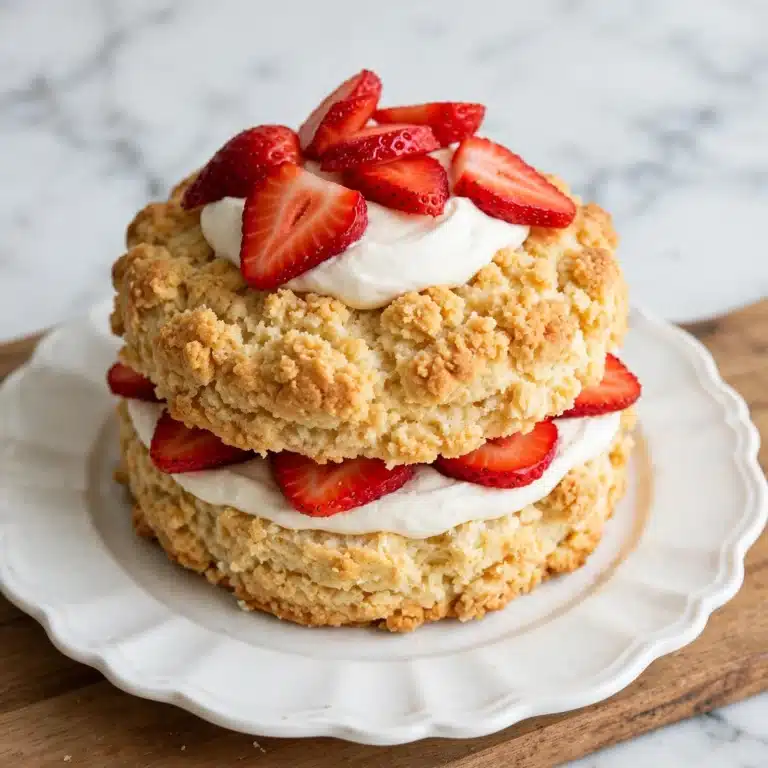
If you are searching for the perfect classic treat to impress your friends and family, this Victoria Sponge Celebration Cake Recipe will quickly become your go-to showstopper. This recipe captures the essence of a timeless British favorite with its light, fluffy layers, luscious vanilla buttercream, and sweet strawberry jam all crowned with fresh strawberries. It’s absolutely divine and wonderfully simple, making it an ideal option for birthdays, tea parties, or anytime you want to celebrate with something truly special.
Ingredients You’ll Need

This Victoria Sponge Celebration Cake Recipe calls for straightforward ingredients that you likely already have in your pantry. Each ingredient plays a vital role in creating that soft crumb, sweet flavor, and beautiful golden color that makes this cake unforgettable.
- 400 g unsalted butter (softened): Provides richness and moisture for a tender crumb.
- 400 g caster sugar: Delivers sweetness while helping to create a light texture.
- 400 g eggs (roughly 8): The binder that brings structure and helps the cake rise.
- 400 g self-raising flour: Gives the cake its airy uplift thanks to the built-in raising agents.
- 2 tsp baking powder: Ensures extra rise and fluffiness in every bite.
- 4 tbsp whole milk: Adds moisture and tenderness to the batter.
- 150 g unsalted butter: For the silky, creamy vanilla buttercream frosting.
- 450 g icing sugar: Sweetens and thickens the buttercream for perfect spreadability.
- 1/2 tsp vanilla extract: Infuses the buttercream with aromatic warmth.
- 175 g strawberry jam: Adds a fruity punch that complements the creamy layers beautifully.
- Fresh strawberries: For decoration and an extra fresh burst of flavor.
How to Make Victoria Sponge Celebration Cake Recipe
Step 1: Prepare Your Cake Tins and Oven
Begin by preheating your oven to 190ºC (170ºC fan). Line three 20cm (8 inch) cake tins with parchment paper. Getting this step done first ensures your batter is ready to go straight in without delay, keeping everything light and airy.
Step 2: Cream Butter and Sugar
In a large bowl, beat together the softened unsalted butter and caster sugar until their textures combine into a creamy, smooth mixture. This creaming process traps air, which helps give the cake its classic fluffy texture. Take your time to get this just right; it’s the foundation of a perfect crumb.
Step 3: Add Eggs, Milk, and Dry Ingredients
Next, add the eggs, whole milk, self-raising flour, and baking powder to your butter and sugar mixture. Mix gently until everything is just combined. Be cautious not to overbeat at this stage as that can lead to a denser sponge. The batter should be smooth and slightly thick.
Step 4: Divide and Bake
Divide the batter evenly between the three lined cake tins and gently smooth the tops with a spatula. Pop the tins into the oven and bake for about 25 minutes. Your cakes are done when they’re beautifully golden, spring back when lightly pressed, and a skewer inserted into the center comes out clean.
Step 5: Cool Completely
Once baked, carefully turn out each sponge onto a cooling rack. Let them cool thoroughly before moving on, so your buttercream doesn’t melt and your layers don’t crumble during assembly.
Step 6: Make the Vanilla Buttercream
For the buttercream, beat the softened unsalted butter until smooth and creamy. Gradually add icing sugar and the vanilla extract, beating well after each addition. If the mixture is too thick, add a tablespoon of whole milk at a time until you reach that perfect, spreadable consistency.
Step 7: Assemble Your Celebration Cake
Place one sponge layer on your serving plate. Spread or pipe a generous layer of the vanilla buttercream on top, then spoon half of the strawberry jam evenly over it. Add the second sponge and repeat the buttercream and jam layers. Finally, top with the last sponge and spread the remaining buttercream on top.
Step 8: Decorate with Fresh Strawberries
Dress your Victoria Sponge Celebration Cake Recipe with fresh strawberries arranged artfully on the top. For an extra touch, sprinkle a little icing sugar over the cake. This not only makes it look stunning but adds a light sweetness that pops with every bite.
How to Serve Victoria Sponge Celebration Cake Recipe

Garnishes
Fresh strawberries are the classic garnish here, but consider adding edible flowers or a light dusting of powdered sugar to elevate your cake’s elegance. Mint leaves can also add a refreshing note and a beautiful pop of green.
Side Dishes
Serve this celebratory cake with a simple pot of Earl Grey tea or fresh berry compote for an extra fruit boost. Clotted cream or softly whipped cream can also add a luscious creaminess that complements the vanilla buttercream perfectly.
Creative Ways to Present
Instead of stacking all three layers straight, try offsetting them slightly for a playful look. You can also pipe decorative rosettes around the edges using the buttercream or add an assortment of berries and edible glitter to make your Victoria Sponge Celebration Cake Recipe truly sparkle for parties.
Make Ahead and Storage
Storing Leftovers
If you have any cake left over, store it in an airtight container in the refrigerator. It will keep fresh for up to three days. Let it come to room temperature before serving to enjoy the perfect texture and flavor.
Freezing
You can freeze the unfrosted sponge layers wrapped tightly in cling film and foil for up to a month. Thaw completely before assembling and frosting your cake to maintain that light texture and fresh taste this Victoria Sponge Celebration Cake Recipe is known for.
Reheating
While this cake is best enjoyed fresh or at room temperature, if you prefer it slightly warm, let slices come to room temperature and gently warm for a few seconds in the microwave. Avoid overheating to prevent the buttercream from melting.
FAQs
Can I use regular flour instead of self-raising flour?
Yes, but you will need to add extra baking powder (about 2 teaspoons per 400 g of flour) to ensure the cake rises properly and remains fluffy.
What’s the best way to soften butter quickly?
Leave it at room temperature for about an hour, or cut it into small cubes to speed up softening. Avoid melting it, as melted butter can affect the cake’s texture.
Can I substitute strawberry jam for another flavor?
Definitely! Raspberry or apricot jams work beautifully and bring their own unique sweetness, making the Victoria Sponge Celebration Cake Recipe versatile for different tastes.
How do I prevent the cake from sinking in the middle?
Make sure not to overmix the batter, and avoid opening the oven door during the first 20 minutes of baking to prevent temperature drops that can cause sinking.
Can I make this cake gluten-free?
Yes, substitute the self-raising flour with a gluten-free blend that contains a raising agent. The texture might vary slightly but it should still be delightful.
Final Thoughts
This Victoria Sponge Celebration Cake Recipe is more than just a dessert; it’s a joyous tradition wrapped in layers of soft vanilla sponge, creamy buttercream, and sweet jam. Whether it’s for a special occasion or just a delightful teatime treat, it will bring a smile to anyone’s face. I can’t recommend giving it a try enough — you’ll love how easy it is to make and how absolutely delicious it tastes!
PrintVictoria Sponge Celebration Cake Recipe

A classic Victoria sponge celebration cake featuring three light and fluffy sponge layers sandwiched with smooth vanilla buttercream and sweet strawberry jam, topped with fresh strawberries for a delightful finish. Perfect for parties and special occasions.
- Prep Time: 20 minutes
- Cook Time: 25 minutes
- Total Time: 1 hour 5 minutes
- Yield: 15 servings
- Category: Baking
- Method: Baking
- Cuisine: British
Ingredients
For the Sponge Cake
- 400 g unsalted butter (softened)
- 400 g caster sugar
- 400 g eggs (roughly 8 eggs)
- 400 g self-raising flour
- 2 tsp baking powder
- 4 tbsp whole milk
For the Vanilla Buttercream
- 150 g unsalted butter
- 450 g icing sugar
- 1/2 tsp vanilla extract
- Whole milk (optional, for adjusting consistency)
For Decoration
- 175 g strawberry jam
- Fresh strawberries
Instructions
- Preheat the Oven: Set your oven to 190ºC (170ºC fan) and line three 20cm (8-inch) cake tins with baking paper to prepare them for the batter.
- Make the Sponge Batter: In a large mixing bowl, beat the softened unsalted butter and caster sugar together until well combined and creamy. Then, add the eggs, whole milk, self-raising flour, and baking powder. Beat gently until everything is incorporated, ensuring not to over-mix to keep the batter light.
- Divide Batter and Bake: Evenly divide the sponge batter among the three prepared tins, smoothing the tops with a spatula. Bake in the preheated oven for 25 minutes, or until the cakes turn golden and spring back when lightly pressed. A skewer inserted in the center should come out clean.
- Cool the Cakes: Remove the cakes from the oven and turn them out onto a cooling rack. Allow them to cool completely before decorating to prevent the buttercream from melting.
- Prepare Vanilla Buttercream: Using an electric mixer, beat the unsalted butter until smooth and fluffy. Gradually add the icing sugar and vanilla extract, continuing to beat. If the buttercream is too stiff, add whole milk one tablespoon at a time until the desired consistency is reached.
- Assemble the Cake: Spread or pipe a layer of vanilla buttercream onto the first sponge layer, then spoon half of the strawberry jam on top. Place the second sponge over it and repeat with buttercream and jam. Finish by placing the third sponge on top and spreading any remaining buttercream on the surface.
- Decorate: Garnish the top of the assembled cake with fresh strawberries. Optionally, sprinkle some icing sugar over the cake for an elegant touch. Serve and enjoy your celebration Victoria sponge cake!
Notes
- Ensure the butter is softened for easier mixing and a smoother batter.
- Do not overbeat the batter to keep the sponge light and airy.
- Allow the cakes to cool completely before applying buttercream to avoid melting.
- If desired, substitute fresh strawberries with other berries for decoration.
- Use a skewer to check cake doneness to prevent underbaking.