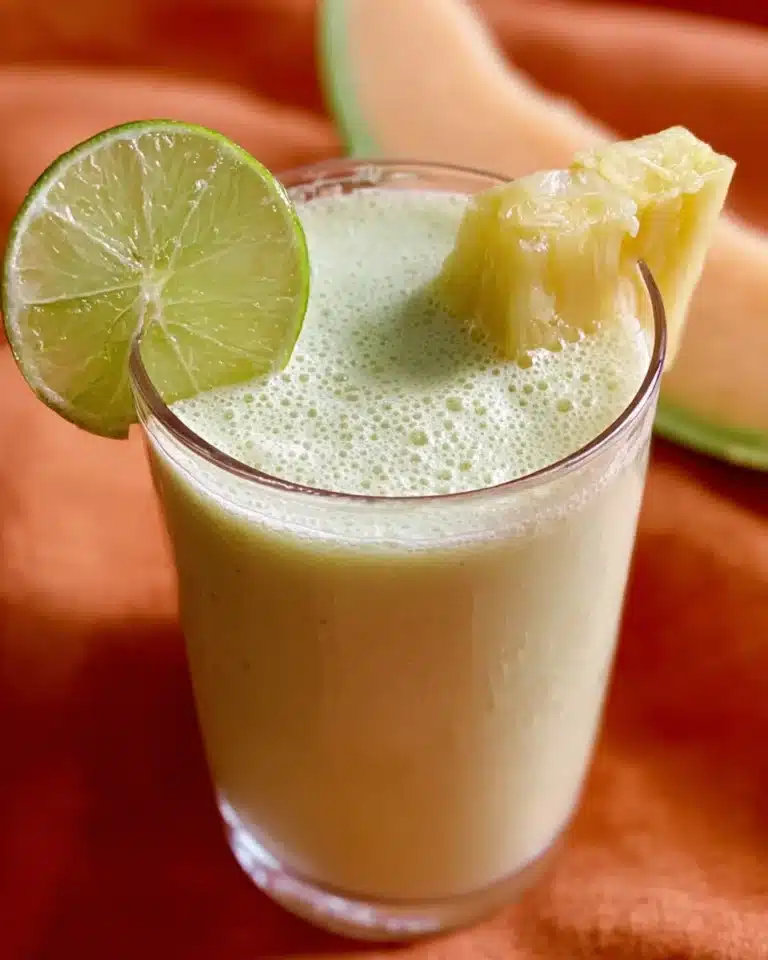
If you love the sweet, tropical flavor of mangoes and crave a refreshing drink that feels like sunshine in a glass, you’ve got to learn How to Make Mango Juice (Mango Nectar) Recipe. This delightful, naturally vibrant beverage captures the pure essence of ripe mangoes blended into a smooth, luscious nectar that’s perfect for any time of day. It’s incredibly simple, quick to prepare, and so rewarding, making it a staple for mango lovers everywhere.
Ingredients You’ll Need

The magic of this mango juice comes down to just a few easy ingredients that let the natural fruit shine. Each component plays an essential role in crafting a juice that’s sweet, creamy, and refreshingly vibrant in color.
- Fresh mango flesh: Choose ripe mangoes for the sweetest, most flavorful juice; the fruit’s natural sugars and creamy texture are the heart of the recipe.
- Water: Helps achieve the perfect consistency, balancing thickness and drinkability without diluting the juicy mango flavor.
How to Make How to Make Mango Juice (Mango Nectar) Recipe
Step 1: Prepare the Mango
Start by washing your mango and slicing it carefully down the sides. The glass method is a nifty trick I adore: cut the mango in half, then slide each half along the edge of a glass to scoop out the golden flesh. Don’t forget to use a spoon to scrape off every bit of fruit clinging to the peel and around the pit—that’s where the sweetest juices hide!
Step 2: Blend Until Smooth
Next, pop the mango flesh and water into your blender or food processor. Blend everything together until silky smooth. Depending on your taste, add more water to adjust the thickness—whether you like it more like a nectar or a light juice, this step is where you take full control of the texture and flavor intensity.
Step 3: Strain for Extra Smoothness (Optional)
If you prefer a juicier, pulp-free mango nectar, pour your blend through a fine sieve. Use a spatula to press the juice through quickly and remove any fibrous bits. Straining is a great step if you want a truly velvety texture that’s perfect for kids or elegant entertaining.
How to Serve How to Make Mango Juice (Mango Nectar) Recipe

Garnishes
To elevate your mango juice experience, garnish with fresh mint leaves, a slice of lime, or a sprinkle of chili powder for that unexpected kick. These simple touches add bursts of color and complementary flavors for an inviting presentation.
Side Dishes
This mango nectar pairs beautifully with light, tropical-inspired dishes like coconut shrimp, fresh fruit salads, or even spicy grilled chicken. Its natural sweetness provides a wonderful contrast to savory and spicy flavors.
Creative Ways to Present
Serve this mango juice in tall glasses with ice cubes made from coconut water, or freeze the juice into popsicle molds for a refreshing summer treat. You can also layer it with other fruit juices for beautiful, colorful mocktails that impress.
Make Ahead and Storage
Storing Leftovers
If you have mango nectar left over, store it in an airtight bottle or jar in the refrigerator. It’s best enjoyed within 2 to 3 days to keep that fresh, fruity brightness intact.
Freezing
Instead of freezing the finished juice, freeze the pure mango puree separately for more versatility. Pour the puree into ice cube trays and freeze; you can use these cubes over the next several months to whip up fresh juice or toss into smoothies and desserts.
Reheating
Mango juice is best served chilled or at room temperature, so reheating isn’t typically recommended. If you do want a warm mango drink, gently heat in a saucepan but be careful not to boil, as that can change the flavor and texture.
FAQs
Can I use canned mango instead of fresh for this recipe?
While fresh mangoes give the best flavor and texture, canned mangoes packed in juice (not syrup) can be used in a pinch. Just adjust the water accordingly since canned mango may contain extra liquid.
How do I know if my mangoes are ripe enough for the juice?
Ripe mangoes yield slightly to gentle pressure and have a sweet, fragrant aroma at the stem end. Their skin color varies by variety, but softness and smell are the best ripeness indicators.
Can I add sweeteners to the mango juice?
Usually, ripe mangoes are sweet enough without added sugar. However, if you prefer sweeter juice, a drizzle of honey or agave syrup blends beautifully with the natural flavors.
Is this mango nectar suitable for kids?
Absolutely! It’s a naturally sweet, hydrating, and nutritious drink perfect for children—just be sure to strain it if your kids prefer smooth juices without pulp.
Can I add other fruits to the mango juice?
Definitely! Pineapple, orange, or passion fruit complement mango wonderfully. Blend them in small amounts to keep the drink balanced and keep that signature mango shine.
Final Thoughts
There’s truly nothing like the vibrant, tropical joy packed into How to Make Mango Juice (Mango Nectar) Recipe. It’s a quick and easy way to brighten your day, nourish your body, and impress friends and family with minimal fuss. Give it a try and enjoy a sip of sunshine whenever you like!
PrintHow to Make Mango Juice (Mango Nectar) Recipe

A quick and refreshing recipe for homemade mango juice, also known as mango nectar. Made from fresh mango flesh blended with water, this easy-to-make juice is perfect for a healthy drink anytime. The juice can be enjoyed as is or strained for a smoother texture, and leftovers can be stored in the fridge or frozen for future use.
- Prep Time: 5 minutes
- Cook Time: 0 minutes
- Total Time: 5 minutes
- Yield: 2 servings
- Category: Beverage
- Method: Blending
- Cuisine: International
- Diet: Vegetarian
Ingredients
Ingredients
- 12 oz fresh mango flesh (approximately 1 large or 2 small mangoes)
- 1 cup water (filtered or tap; add more for desired consistency)
Instructions
- Prepare the mango: Wash and slice the mango in half. Using the glass method, run each mango half along the side of a glass to scoop out the flesh. Use a spoon to scrape off any remaining fruit around the seed and peel.
- Blend the mango and water: Transfer the mango flesh and water to a blender or food processor. Blend until completely smooth. Adjust the amount of water to achieve your preferred flavor and consistency.
- Strain the juice (optional): For a smoother juice free of fibrous pulp, strain the blended mixture through a sieve. Use a spatula to help move the juice through the sieve more quickly.
- Serve: Pour the juice into serving glasses and enjoy immediately for the best flavor and freshness.
- Store: If you have leftovers, store the juice in an airtight bottle or jar in the refrigerator for up to 2–3 days.
- Freeze (optional): Instead of freezing the juice, freeze the blended mango puree in ice cube trays and transfer frozen cubes to a reusable Ziplock bag for up to 3 months. Thaw and blend with water when ready to enjoy.
Notes
- Use ripe, sweet mangoes for best flavor and natural sweetness.
- Adjust water amount to control thickness and taste.
- Straining is optional based on texture preference.
- Consume fresh mango juice promptly to enjoy peak flavor and nutrition.
- Freezing mango puree is ideal for future smoothies, juices, or desserts.